When the safety net comes away
As calves are weaned onto pasture and their meal feeding stops, many forget the coccidiostat in the meal which prevents the parasite disease Coccidiosis also stops. New Zealand owned, Alleva Animal Health’s local innovation takes care of that. Words Sarah Perriam-Lampp.
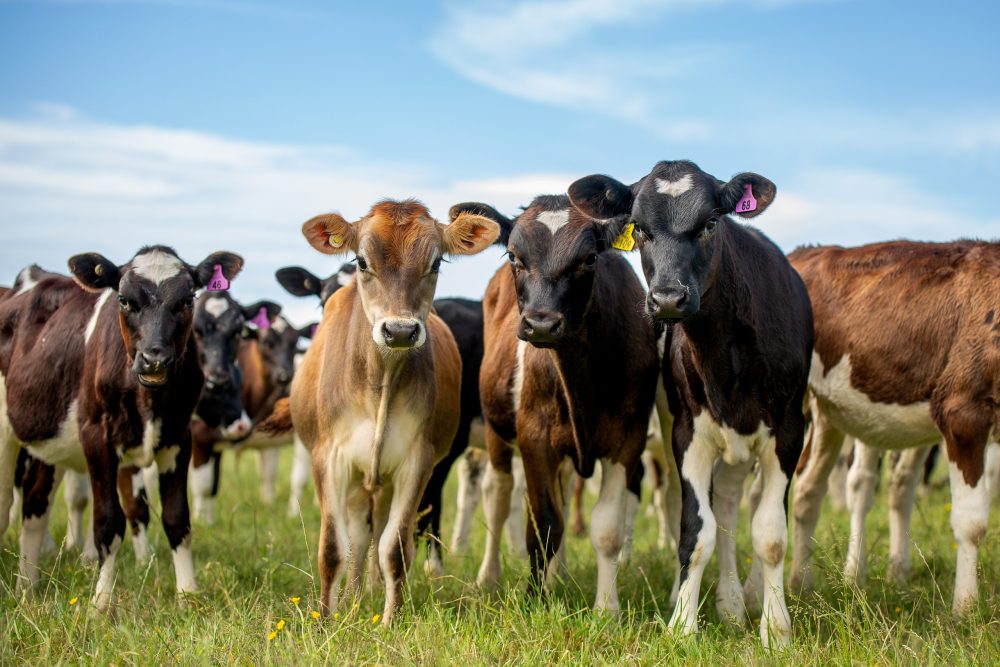
For calves, the riskiest weeks of spring often begin the day meal feeding stops.
Most calf-rearing operations run a coccidiostat in the meal, so calves are covered through the shed period. When that meal comes out of the ration and calves go on to pasture, the cover goes with it.
“Once you take away that safety net of the in-meal coccidiostat, animals can get checked and go backwards,” says Alleva Animal Health Director Commercial Operations, Richard McKinley. “There’s a lot going on at weaning anyway. They’re going from a monogastric pre-ruminant into a ruminant.”
Coccidiosis is caused by protozoan parasites and calves pick up oocysts from a contaminated environment such as calf pens. The parasite damages the lining of the large intestine as it multiplies.
Oocysts are hardy, they live in bedding and around feeding areas and stocking density lifts the challenge well above what calves would meet on pasture. The disease is most often seen between three weeks and six months of age and the visible form is only part of it. Subclinical infection carries no obvious scouring but still costs liveweight gain, which is why a mob can look reasonable and still fall short of target weights.
“Once you take away that safety net of the in-meal coccidiostat, animals can get checked and go backwards.” – Dr Richard McKinley, Alleva Animal Health
Stress is the usual trigger and weaning delivers several stressors at once. As the diet changes from meal to grass, the rumen is still developing and the protective coccidiostat leaves the ration at the same time, they may be introduced to a worm burden hidden in the grass paddock.
“Worm burdens are often further along than farmers expect,” explains Richard, “Calves ingest reasonable amounts of grass well before they are officially weaned, so depending on the challenge on that farm at that time, a burden can already be established.”
Turbo Initial by Alleva Animal Health was formulated as a calf drench for that weaning window.
“It is the first product to combine an anthelmintic with a coccidiocide, delivering both actives in a single treatment after weaning.”
Previously, the two had to be given separately, without the assurances that come with a registered combination and established withholding periods.
Most of the animal health products used on New Zealand farms come from multinational companies.
That kind of gap-filling drench, available through vet practices only, is what Alleva was built for. The company was formed in 2011 by three people with long careers in New Zealand animal health, and product development remains the core of the business.
Two recent products show the range of that. Turbo Pour-on came from reworking a familiar formulation rather than finding a new active. Pour-ons have a habit of running off an animal’s back, so Alleva reformulated it to be rainfast by putting a gel on contact to stay where it is put.
A brand new innovation designed to make life easier for vets is Quadseal. Teat sealants can be difficult to apply and fatiguing when large numbers of cows are being treated. Quadseal provides the sealant in a novel cartridge-based presentation paired with an ergonomic applicator to improve ease of use. The product secured New Zealand registration this year.
“All of the products really come about to cover niches that New Zealand farmers need to fill and many farmers don’t realise the world-first innovations we are creating from our learnings on farm,” McKinley says.
Watch for at weaning
- Scouring, sometimes with mucus or blood
- Straining, and calves that stay down or lag the mob
- Poor coats and calves falling off target liveweight
- Reduced appetite in the fortnight after meal feeding stops
- Faecal oocyst counts to confirm, alongside
farm history
Visit alleva.co.nz
If anyone has any concerns about coccidia, please talk to your local vet. Turbo Initial is only sold through your local veterinary clinic.