Three-year sheep poo study highlights Facial Eczema risks
The country’s largest-ever sheep poo surveillance study created an unprecedented picture of facial eczema risk on New Zealand farms. Words Sandra Taylor.
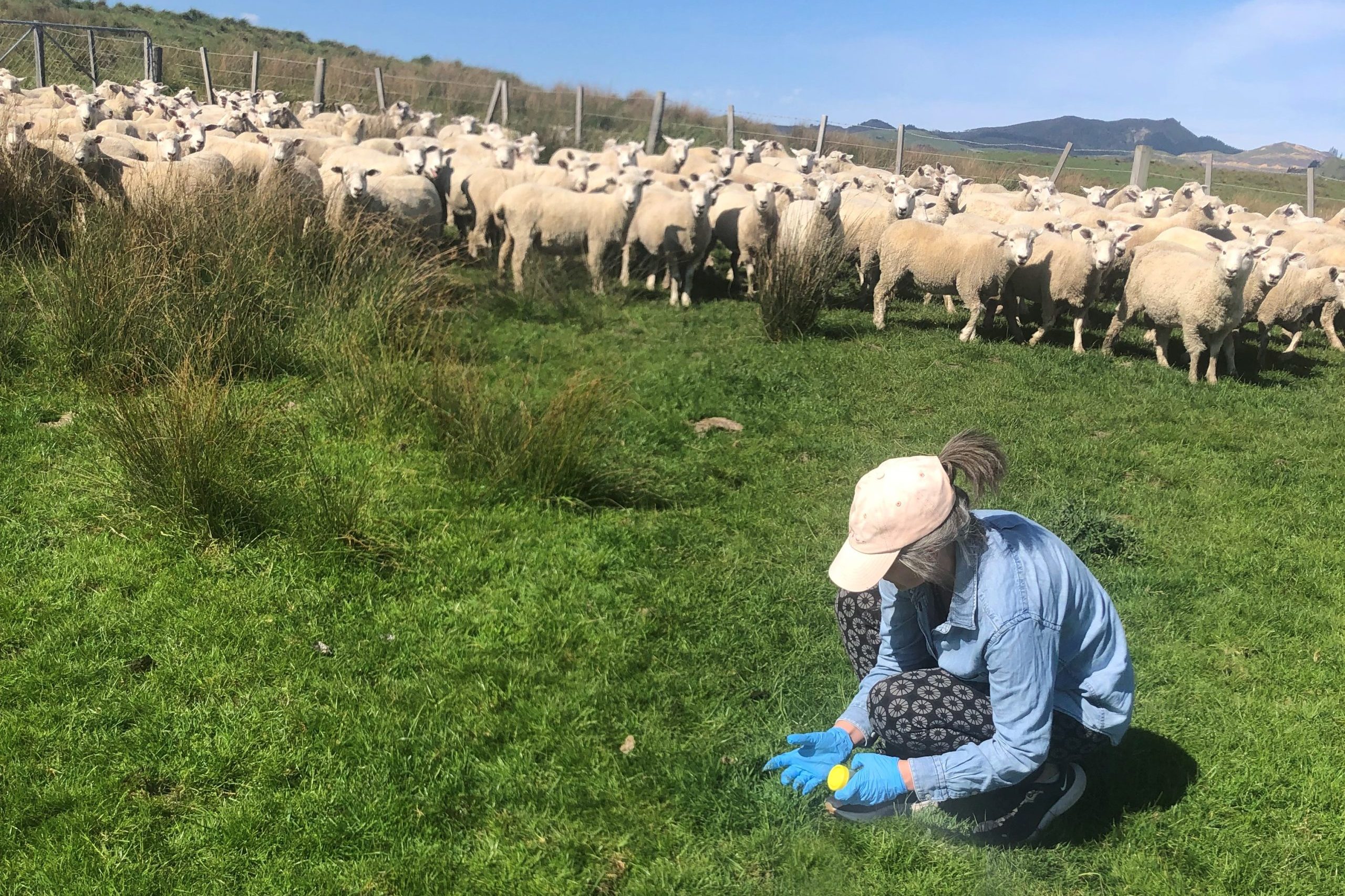
Beef + Lamb New Zealand’s Sheep Poo study has found spores that cause facial eczema are present in pastures throughout the country.
Over 400 farmers from across the country contributed to the three-year study, which is part of the B+LNZ-led Eliminating Facial Eczema Impacts programme, by regularly collecting sheep poo over the summer and autumn months and sending the samples off for analysis.
After analysing the data, Sonya Shaw, B+LNZ’s Senior Advisor for Facial Eczema Research and Dr Cara Brosnahan, B+LNZ’s Principal Scientist Animal Health Research, found that while spores were widespread, there was a lot of variability between farms, regions and seasons.
Analysis of the first two years confirmed that most spores sat in the bottom five centimetres of pasture – which means animals grazing low pasture covers are more at risk of ingesting spores – and that most spores occur below an altitude of 200m above sea level.
Two of the fungal species found in sheep poo look identical under a microscope, but only one produces liver-damaging toxins. While farmers still need to assume all spores are toxic, this discovery will help refine risk assessments in the future.
While clinical facial eczema is easily recognised, the study reinforced growing evidence that the greatest cost to farmers may come from the hidden impacts of subclinical disease. Blood testing showed liver damage was common even in animals showing no obvious signs of illness, potentially reducing lifetime productivity by up to 25 percent.
Sonya’s advice to farmers is that once regional pasture counts rise above 20,000 spores per gram, it’s time for them to start checking spore counts on their own farm and plan their management accordingly.
Many farmers involved in the sheep poo study have started using the information they receive back to make proactive decisions around zinc supplementation and grazing management.
The study showed that facial eczema risk can differ markedly between neighbouring farms, highlighting the importance of farm-specific monitoring rather than relying solely on regional spore counts.
The information collected through the Sheep Poo Study is helping researchers build a next-generation facial eczema forecasting system. By combining spore data with weather, pasture, altitude and animal health information, the tool aims to give farmers earlier warning of risk periods and more time to protect their stock. This is likely to be trialled next season.
Click here to read B+LNZ’s variety of resources on managing facial eczema.