The park project
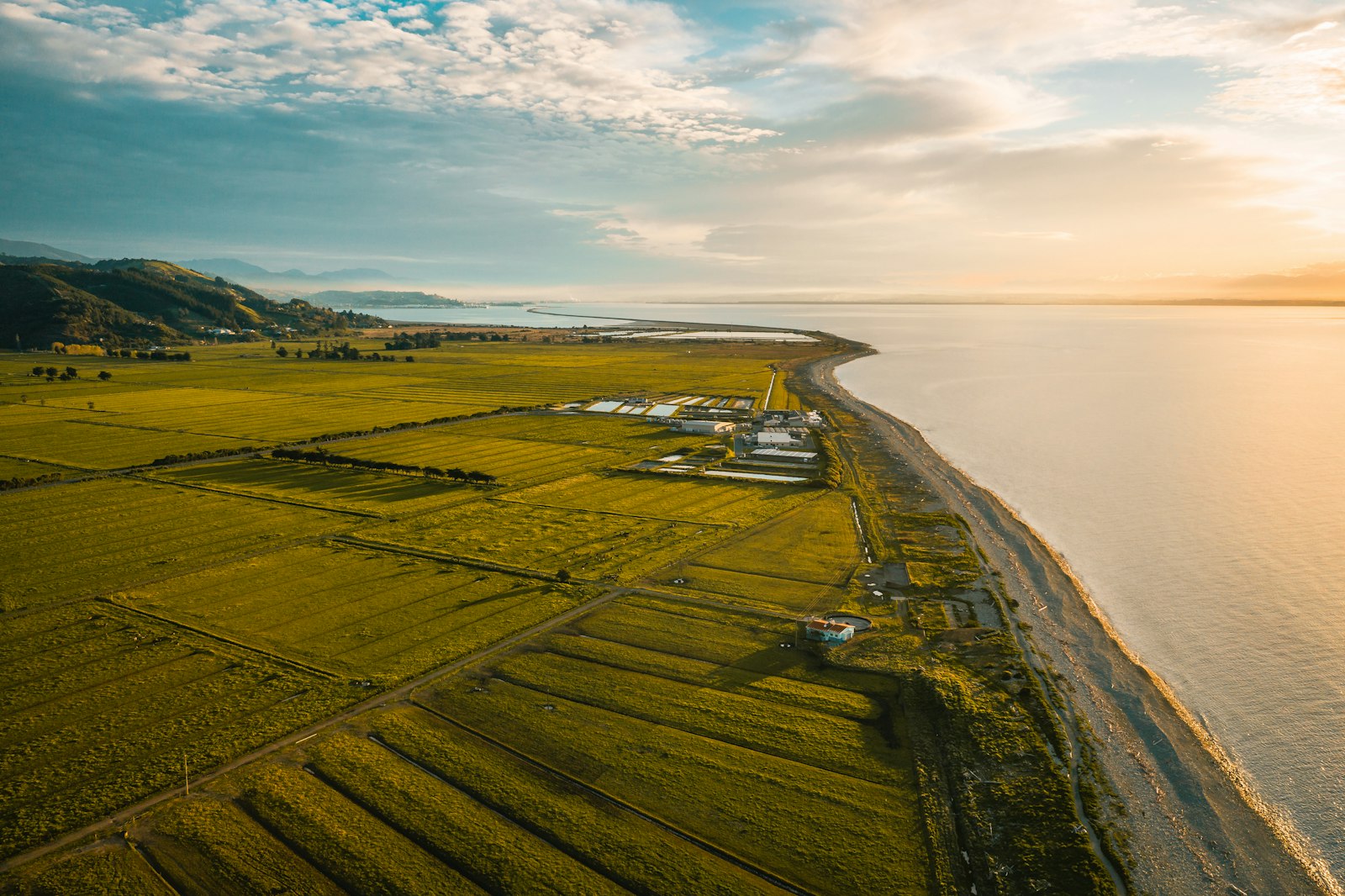
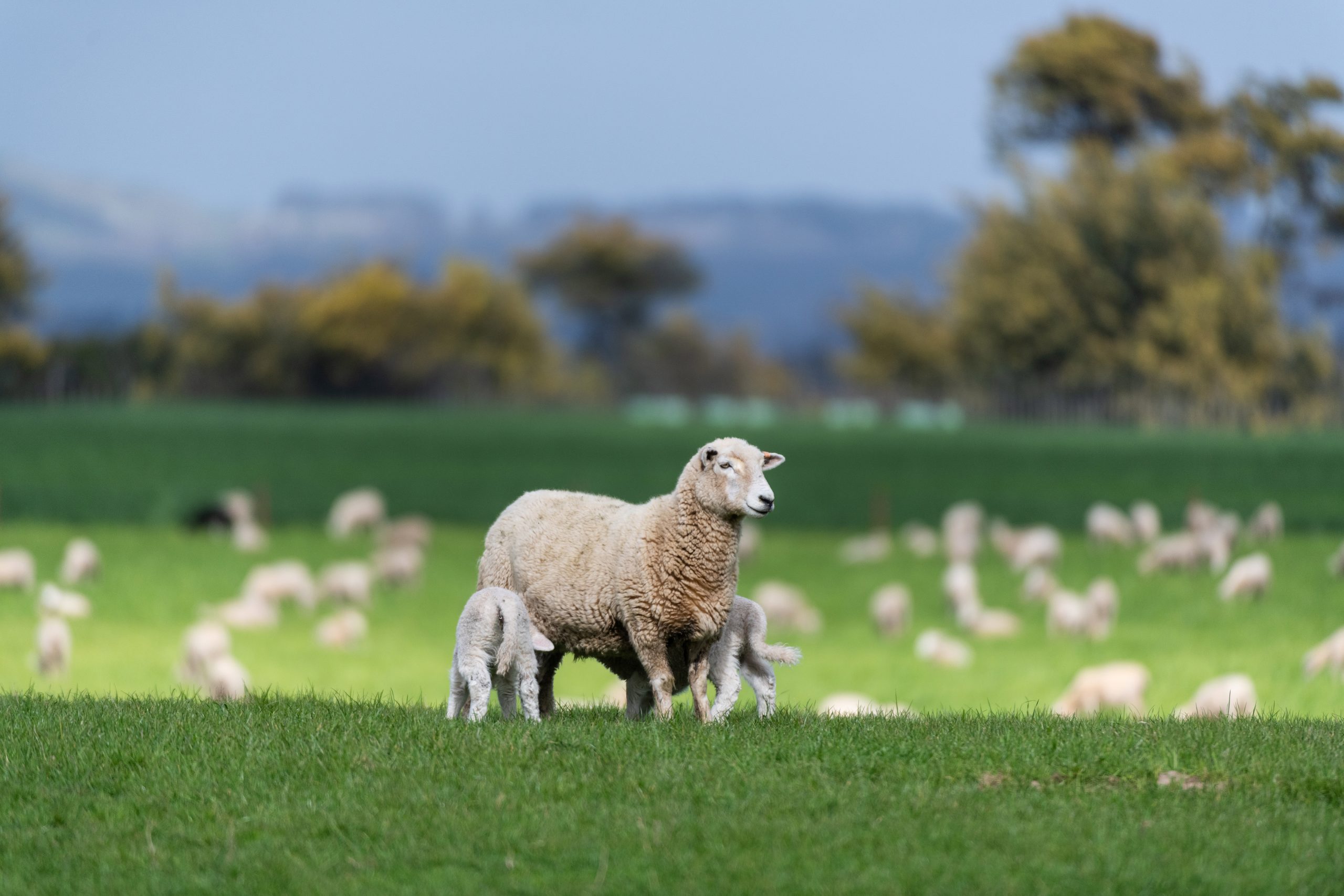
Jarrod and Danielle Hawkins farm east of Otorohanga, running sheep, beef and dairy grazers on 350 hectares (total farm area is 450ha, with 100ha in bush). Jarrod does most of the useful farming; Danielle works part-time as a vet, organises children, writes novels and helps out from time to time.

Things are looking pretty good on the farm just now. We’ve had a particularly nice autumn, unlike many other places around the country, and pasture covers are excellent. If it wasn’t for low lamb prices and high interest rates, everything would be awesome.
This week, we’ve been putting up cattle-proof fences around poplar poles. Again.
The subject of farm trees has caused some marital strain, over the years. I would like the bits of the farm that aren’t covered in native bush to be English-style parkland, while Jarrod leans more towards the goal of making a living from pastoral farming while providing some shade for the stock.
I began my park project 10 years ago by driving around the farm, planting a beech avenue here and a flowering chestnut there and leaving the minor job of fencing all my trees off from stock to Jarrod.
My beech trees do not, admittedly, provide much shade yet, but I’m sure they’ll be glorious in 200 years. Jarrod is underwhelmed.
“My beech trees do not, admittedly, provide much shade yet, but I’m sure they’ll be glorious in 200 years.”
At his request, we switched to planting poplars as shade trees. They grow quickly, which is good. It turns out that cows would rather eat poplars than anything else in the world, which is less good.
This week’s fencing project is the third in four years. Initially (for about 36 hours) we thought that the plastic sleeves around the poplar poles would protect them from cattle. Then we shifted a mob of heifers into a poplar paddock and came back the next day to find every pole snapped off at ground level.
Jarrod fenced off each little cluster of trees with waratahs and electric tape, hotted up with battery-powered electric fence units. It worked most of the time, but every now and then a mob would knock down the fence unit or run through the tape, and then immediately flatten every tree.
He redid some fences with second-hand posts and barbed wire. The cattle broke the posts off at the ground. He wrapped individual poplar poles in barbed wire – which sort-of worked, apart from looking bad and being horrible to take off again.
After three years in the ground, the poles were too big to knock over and we thought all our troubles were over. Until year four, when the trunks grew fat enough to split the plastic sleeves and the cattle immediately ringbarked them.
The current strategy is new fence posts, two hot wires and new and improved solar-powered electric fence units. And who knows? It might even work.