Returning to his rural roots
After two decades in the corporate world, James Kellow realised his farming heritage on the windy Awhitu Peninsula near Auckland. The award-winning farm has since been converted from dairy to beef, a game bird estate as well as planting 300,000 native plants. Words Helena O’Neill, Photos Cristy Benson.

When the Kellows purchased the historic farm in 2017 surrounding the Manukau Heads Lighthouse on the Awhitu Peninsula, the farm ran 400 dairy cows forecasted to produce 130,000kg of milksolids with replacements and a handful of beef cattle.
One of the first things the Kellows did was convert the dairy farm to beef. They knocked the dairy sheds over and envisioned restoring the land while running a productive business, trying to ignore hindsight with high dairy prices.
For James, buying the farm was a welcome return to his family’s rural roots, after more than two decades of working in finance.
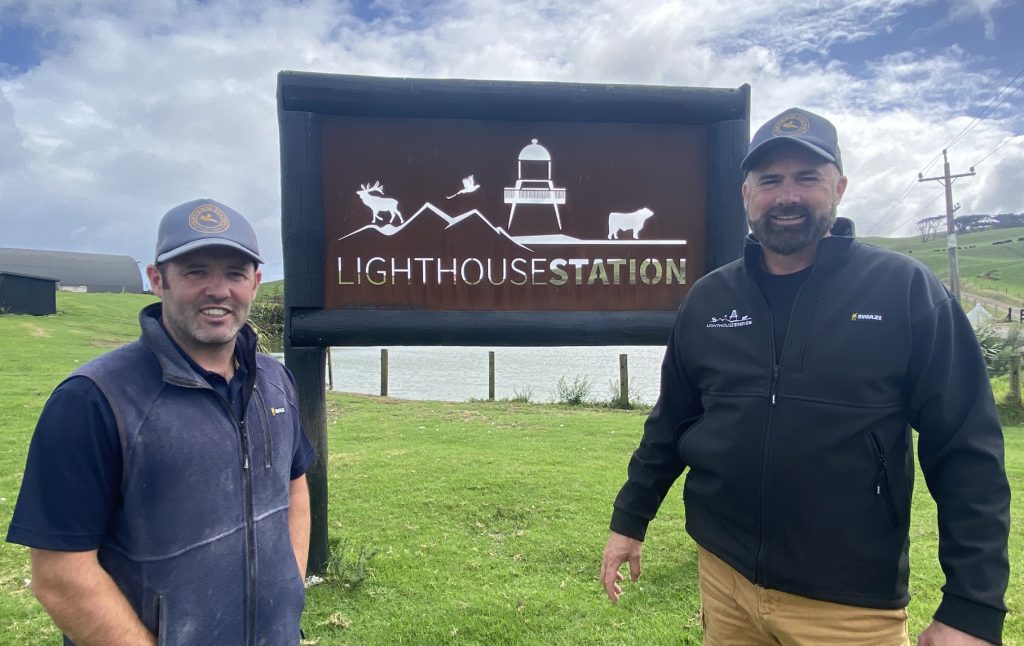
“I was born in Christchurch, but I lived in Auckland as a kid,” he says. “It was in the city, but I rode horses, and both sides of my family were from farms.”
James went to school in the United States (California) until he was 15, returning to New Zealand to attend boarding school while his parents lived in the Middle East and Australia until they retired. James’ father was a vice-president of James Hardie, “so we moved around a bit”, he says.
“I settled in Auckland, my sister went to university in Australia and Switzerland. She’s now settled back in Auckland with her husband and son. We were a rural family [and later] expats, but now we’re back in Auckland.”
“We’re a fair distance out on the peninsula so the cows had to walk a long way to the shed using most of their energy, so it wasn’t really that profitable. There were no plants, so it was quite barren-looking.” – James Kellow, Lighthouse Station, Awhitu Peninsula
James is a current director of New Zealand Mortgages & Securities (NZMS), which provides finance primarily to assist large-scale residential property projects. He splits his time (with wife Stephanie and son) between the Awhitu farm and Auckland, while his daughter is a student at the University of Otago.
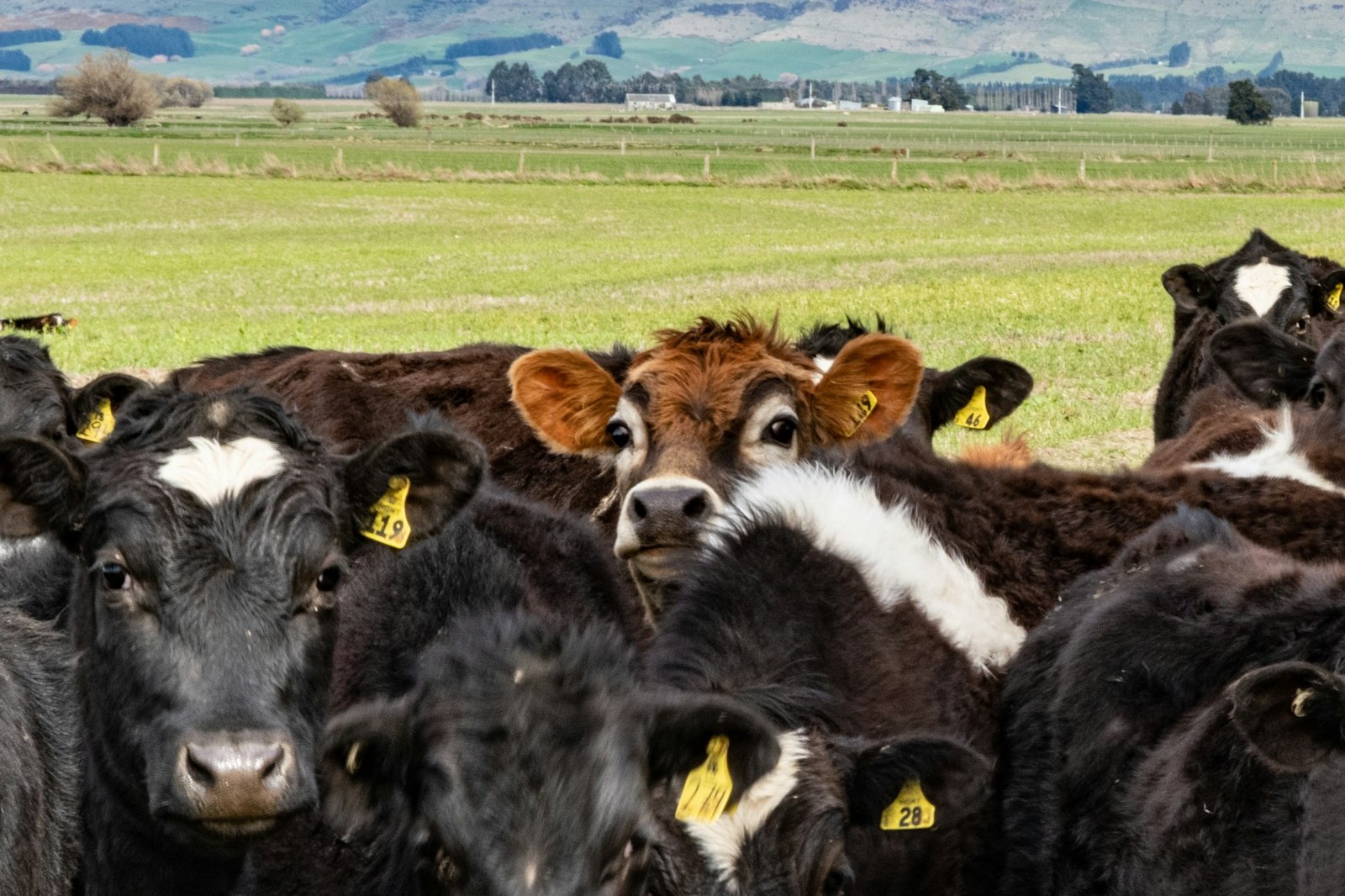
The beef farming operation suits the goals of the farm to balance with the game bird estate the Kellows have established at Lighthouse Station. They run around 700 head of cattle ranging from 250–600kg, buying 150 in spring when hunting season ends and more farm area is available for grazing.
All cattle are finished on the farm and sent to the freezing works at Greenlea. They use no off-farm feed, the only supplement is farm-grown silage. The prior dairy farm owner had good soil nutrient levels so they only needed to apply modest levels of fertiliser.
“At the end of the day, farming is a business,” James explains. “You need cashflow to improve the property.”
Bringing a historic location to life
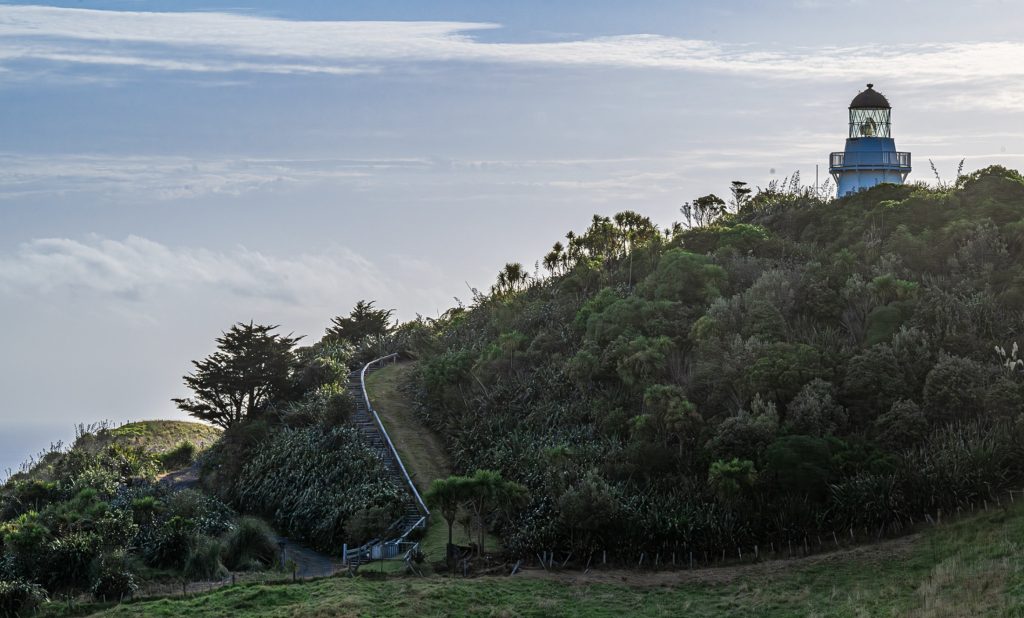
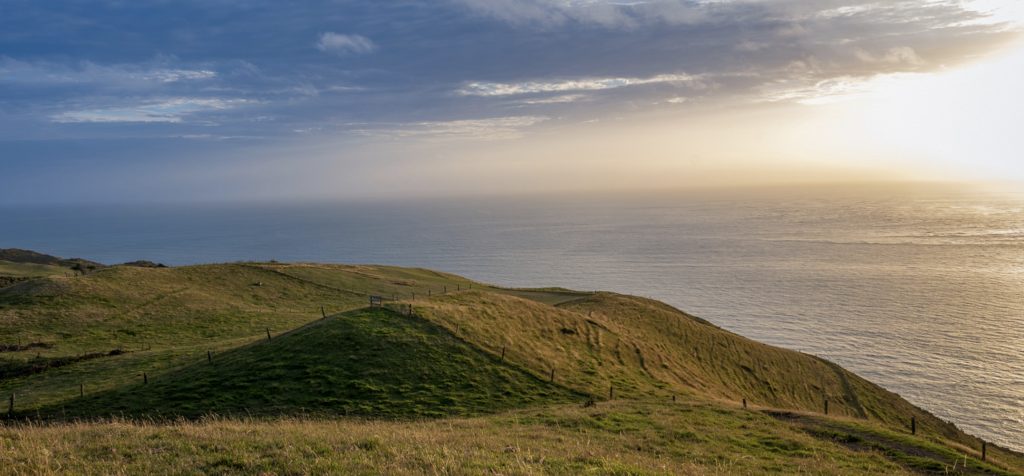
The iconic property surrounds the Manukau Heads Lighthouse on the southern headland so the vision of the Kellows as new custodians was to replace the barren coastal slopes with native plantings.
The lighthouse overlooks the site of New Zealand’s worst shipwreck. HMS Orpheus, a steam corvette (small warship) bringing naval stores from Sydney, ran aground on the bar at the entrance to Auckland’s Manukau Harbour on 7 February 1863. In terms of lives lost, it remains the country’s worst maritime disaster. Of the 259 naval officers, seamen and Royal Marines aboard, 189 died.
On a boundary-line fence lies a memorial plaque commemorating the loss of lives on the Orpheus.
The original Manukau Heads Lighthouse was designed by John Blackett and constructed in 1874. Its wooden design is believed to be influential and replicated across the country. It was also the first lighthouse to burn kerosene in New Zealand.
“We are aiming to create a first-class, pest-free ecological island on the Awhitu Peninsula to preserve this culturally significant site.” – James Kellow, Lighthouse Station, Awhitu Peninsula
The lighthouse, originally on the existing farm, was decommissioned in 1986 and fell into the ocean due to erosion, James says.
The current building is a replica built by volunteers from the Awhitu community in 2006, incorporating some of the original parts like the prisms. Access to the lighthouse is still closed to non-residents due to the slip on Manukau Heads Road back in 2023 in the wake of Cyclone Gabrielle.
James estimates about 90,000m3 of soil slid 80m down to his property below, taking out part of the road and leaving loads of sandy soil on his land.
“During the cyclone we were loaded with stock and we lost a lot of grazing area because of slips. But thankfully we didn’t lose any stock.” He says their key achievements since purchasing the property is overwhelmingly the level of native planting, habitat creation and predator control they have undertaken.
While owned by the Port of Auckland, the Kellows lease some of the land around the lighthouse. In 2023, in collaboration with Ngāti Te Ata Waiohua, Awhitu Landcare, and Kauri Park, Port of Auckland planted more than 24,000 native trees as part of a restoration project. With the support of manager Jamie Little, staff, and local iwi, the Kellows have created impressive wildlife corridors, reduced erosion and created crucial habitat and feeding grounds for native fauna at the station.
“We have strategically planted more than 300,000 endemic native plants, along with protection with stock-proof fencing,” explains James. “We built some wetlands, planted a lot of trees, and then I bought a neighbouring farm down the bottom, which is now our new project. For us it’s about reinstating the farm back to a self-sustaining ecosystem.”
The enhanced wildlife corridors within the Manukau Heads area have been designed to both prevent erosion and provide habitat and feeding grounds for native birds that inhabit the site.
Birds galore
Pests are a big challenge on the farm, with around 300 Department of Conservation traps in place to catch ferrets and rats.
“We also have a huge problem with feral cats,” says James. “There is so much food here: game birds and native birds. Every time we cull one, another one shows up. We’re trying to keep it pest-free but over 1,000 acres it’s really hard.”
Despite the ongoing challenge, James says the hard work is already evident in the increasing numbers of native birds returning across the farm.
“We have wood pigeons (kererū), tūī, paradise ducks, and the grey duck (pārera). Luckily, we don’t have too many pūkeko because they eat baby ducklings. We also have a permit to
hold, breed, and release 300 grey ducks each year.”
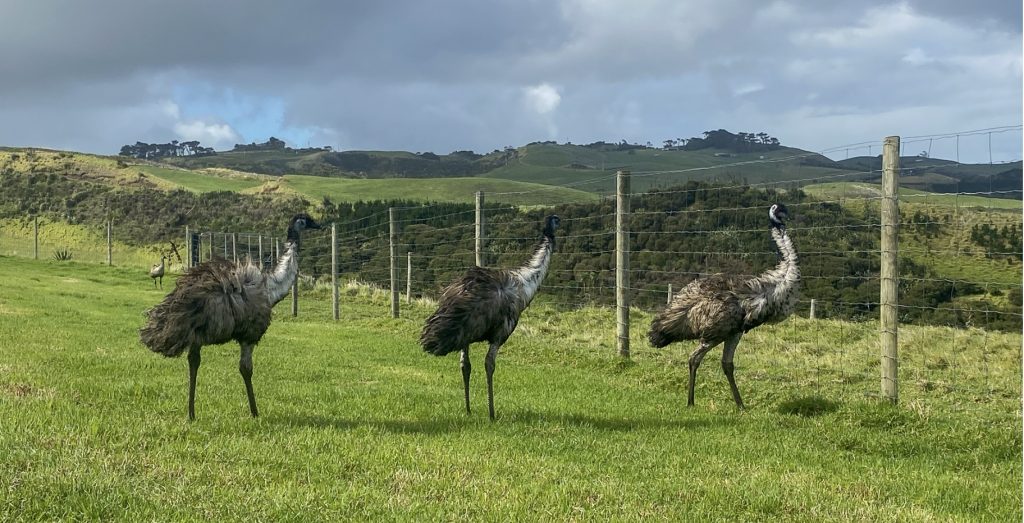
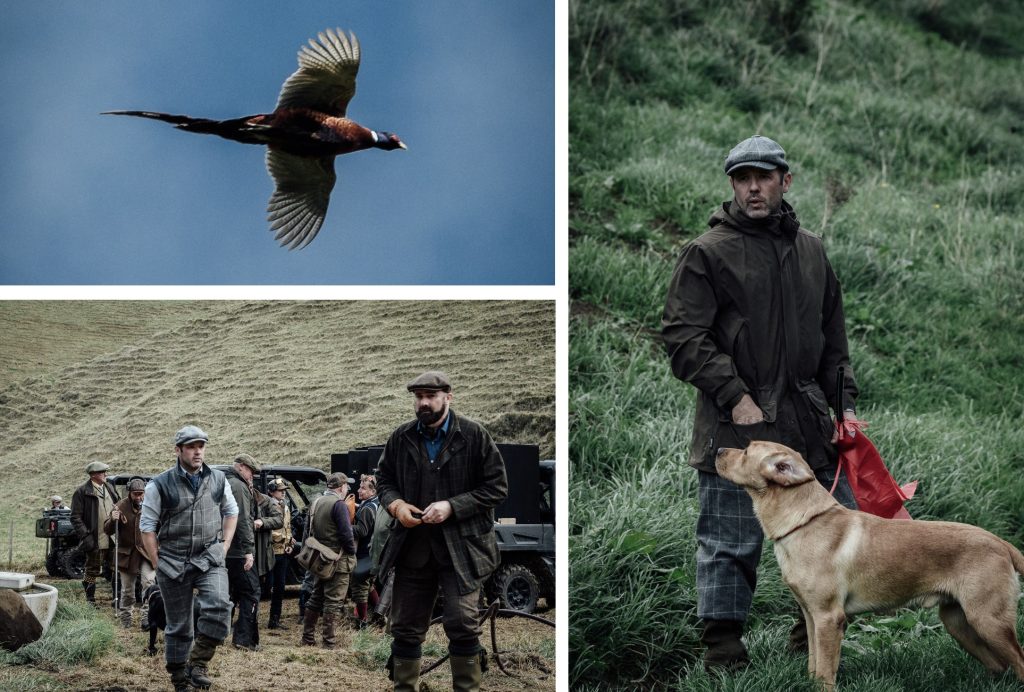
As for non-native birds, the station is alive with guineafowl, pheasants, partridge, quail, and even four emus. Upland game properties must release their own pheasants in order to be recognised by Fish & Game New Zealand. Ahead of the start of the season, around around a few thousand pheasants roam freely around the farm. Lighthouse Station has a hatchery, raises chicks, and feeds the pheasant flocks throughout the year.
Keeping pests under control also ensures the other arm of the farm profits stays successful – its driven shooting estate. Lighthouse Station’s driven shoots are closely modelled on a British driven shoot for pheasant or partridge, including a similar dress code.
Farm manager Jamie hails from Scotland and has been a gamekeeper for more than 20 years, most of those with red grouse. He moved to New Zealand after a holiday here almost five years ago, becoming a gamekeeper before spending the past three years as farm manager.
“I could see the potential for shooting here and the lifestyle suits me perfectly,” he says.
Fish & Game New Zealand sets the overall rules and regulations for hunting game birds, including species, seasons, and bag limits. The pheasant shooting season is 3–31 May in the Auckland region and the driven pheasant hunts occur on permitted upland game properties on private land and Lighthouse Station’s season generally runs from early May to mid-August.
“It started with one group that I was a member of in Cambridge,” explains James. “That farm sold around the same time that we bought this farm, so that syndicate moved here. In New Zealand, you’re not allowed to put an ad in the newspaper and say come and pay money to shoot game birds. I don’t disagree with that.”
“We did a bird count when we started; there were quite a lot of pheasants already as they like sandy soil. It’s perfect for them as they can’t go anywhere – only south, as they’re surrounded by water on other sides so it’s easier to keep them contained.” – James Kellow, Lighthouse Station, Awhitu Peninsula
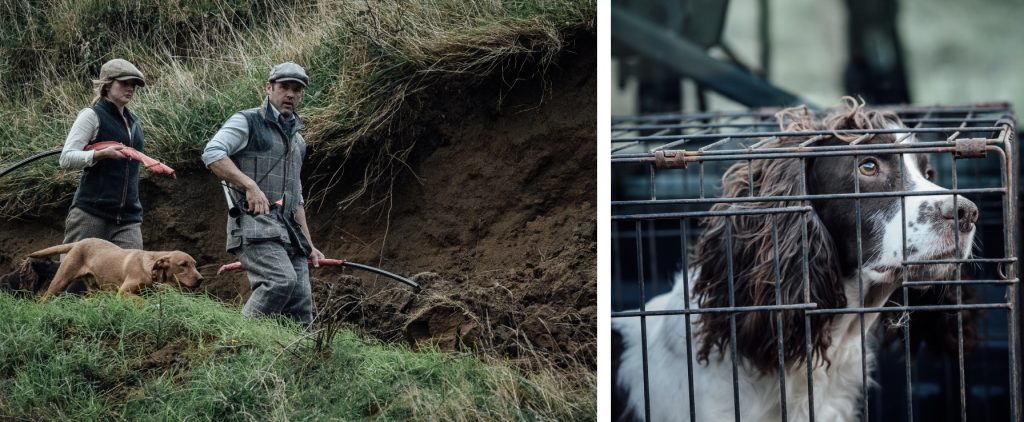
Four main groups work together on a shoot day: beaters, shooters, dogs and handlers (pickers-up) and hospitality/hosts. Beaters push birds out of game fields toward the guns (shooters). Shooters then shoot the birds as they fly overhead. Pickers-up methodically work their retrievers, spaniels, or other gundogs behind, concentrating on runners during the drive. A day’s shooting usually involves multiple drives at different locations. The hospitality staff keep everyone well fed, hydrated, and generally looked after.
“Here, if they’re shooting too many, then we make it more difficult to shoot,” says James. “It’s become a really, really good shoot. It’s quite an odd sport, but I’ve always quite enjoyed it. We get groups coming out, and they love it.” A shoot is a full-day experience, with refreshments and meals cooked by a professional chef. The farm has a lodge dedicated to its hunts, featuring a kitchen and large dining area, butchery, and a cloakroom.
“We’ve got a good chef, he does pheasant karaage, skewers, burgers … it’s basically lean chicken.”
James says they don’t shoot a lot of birds, so all meat is processed on-site at their own butchery on shoot day, with visitors taking home vacuum-packed game.
“On a shoot day, we eat Angus beef pheasant, patridge, lamb and venison. There’s probably 25 people involved in a shoot day, so it’s a lot of food.”
He clarified that they don’t shoot that many ducks, so the meat is usually what is listed above. For context he’s only shot three ducks so far this season.
Overseas, some shoots do dump birds in an offal hole, James says, but he believes it’s indefensible not to eat the meat created by a shoot day.
Biodiversity work rewarded
The Kellows’ vision for preserving culturally significant sites and offering a public access area for people to connect with and appreciate the natural beauty and heritage of the land was recognised at the 2025 Auckland Ballance Farm Environment Awards, with James and Stephanie winning the NZ Farm Environment Trust (NZFET) Biodiversity Award.
The judges said the team’s tremendous conservation efforts are “fostering a legacy of ecological balance and community engagement”, while demonstrating that sustainable and profitable farming practices can be successfully integrated with significant environmental restoration.
A key focus at the station is reducing greenhouse gas emissions, and James says they are well on their way to becoming certified carbon zero. To support this goal, innovative practices are implemented across the property, including trials, planting experimentation, and chlorinating water to improve stock health.
A sophisticated livestock water reticulation system – monitored by an app – enables them to quickly identify and repair leaks, minimising water waste.
The Kellows have tailored land use to suit the environment, guided by careful farm management that utilises science and outside expertise.
NZFET judges said James and Stephanie demonstrate a strong commitment to environmental best practices.