Parasite Management Groups drive changes
In the face of widespread drench resistance, members of Beef + Lamb New Zealand’s Livestock Parasite Management Groups are demonstrating that practical management strategies can significantly reduce their reliance on drenches. Words Sandra Taylor.
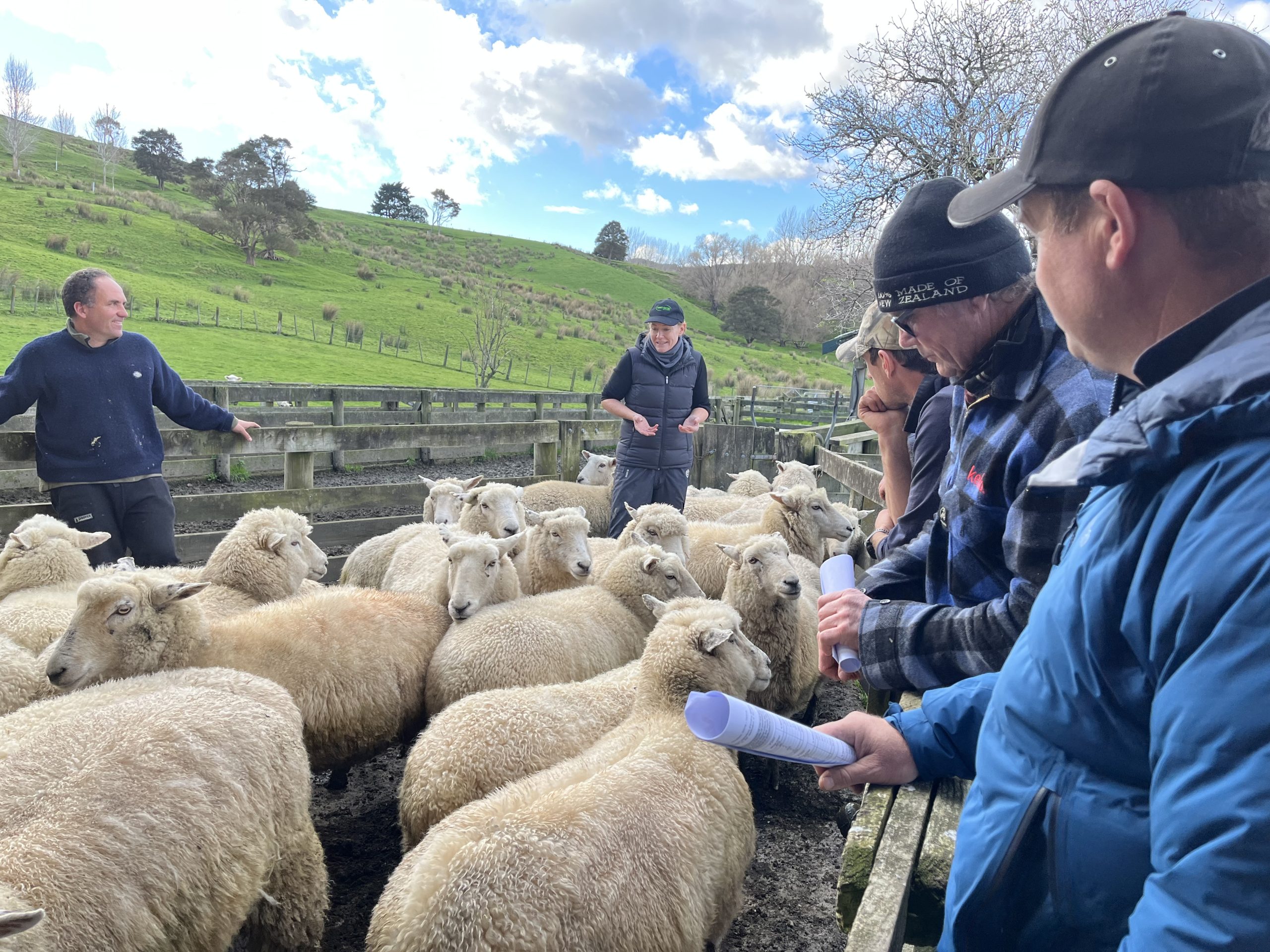
Following on from a pilot programme run in the Wairarapa, there are now seven Beef + Lamb New Zealand Parasite Management Groups throughout the country, involving more than 80 farmers all eager to make changes to the way they manage parasites.
Each group is supported by a specialist vet facilitator, with visiting subject matter experts augmenting their peer-to-peer learning.
Changes made by members of the LPMGs include increased parasite monitoring, carrying out faecal egg counts, improved livestock monitoring, reducing routine drenching and being more targeted with their drench use. More than three quarters of members reported using less drench, which is an important step in protecting the efficacy of the drenches they are using.
Other tactics included adjustments to stock policies, increased cattle:sheep ratios and the introduction of higher-quality stock and parasite resistance/resilience genetics. More members also asked for advice on parasites from other farmers, vets or other parasite specialists than when they first joined. While parasites remain the number one animal health issue for most participants, 69 percent reported their parasite challenges were now better than before joining a group.
As well as genetics, there are other tools emerging to help farmers. B+LNZ’s parasite research programme is focused on novel diagnostics and tools to support farm system changes.
One of the most significant outcomes of the LPMG was the increased level of confidence amongst members to make changes.
A year two progress report on LPMGs found 90 percent of members made changes to parasite management due to their involvement in an LPMG.
Members reported improvements in knowledge, skill and confidence, with 85 percent rating their parasite management knowledge and skills as being good or excellent.
The report suggests the groups are succeeding because they follow a clear behaviour-change pathway: building knowledge, developing skills, increasing confidence and ultimately enabling action.
There are opportunities for new farmers to become involved in similar parasite management learning groups through B+LNZ’s regional Focus Groups.