Outlook mixed across the Tasman
Australian crop production is expected to be hit with rainfall deficiencies starting to emerge across several agricultural regions.

A hot, dry spring is likely to have impacts on Australian crop production with rainfall deficiencies starting to emerge across several Australian agricultural regions.
Crop planting and establishment conditions were largely dry in Queensland, northern New South Wales and northern and eastern cropping regions of Western Australia. Coming out of winter with low soil moisture, the increased chance of dry spring conditions in these regions is expected to negatively affect yield potential.
These regions will require sufficient and timely rain to maintain levels of winter crop production, particularly with higher temperatures expected and increased water demand for crops.
In contrast, southern regions received better-than-expected early winter rainfall, boosting soil moisture levels and benefitting crop establishment and growth in southern New South Wales, Victoria, South Australia and southern Western Australia. Areas with average or better levels of soil moisture are likely to receive enough rainfall to sustain crop production.
Development of an El Niño weather pattern and its influence on Australian rainfall and temperatures presents a further downside risk. Analysis of past El Niño events suggests climate impacts can be variable. If conditions are even drier and hotter than expected, crop prospects could deteriorate further in regions where winter crops have little soil moisture.
Australian outlook for 2024
Following three consecutive record production years, total Australian winter crop production is forecast to fall by 34% to 45.2 million tonnes in 2023–24, below the 10-year average to 2022–23 of 46.4 million tonnes.
The yields are forecast to be below average following dry conditions in key northern cropping regions. This may be partially offset by better yield potential in southern cropping regions.
- Wheat production is forecast down by 36% to 25.4 million tonnes, 4% below the 10-year average.
- Barley production is forecast down by 26% to 10.5 million tonnes, 6% below the 10-year average.
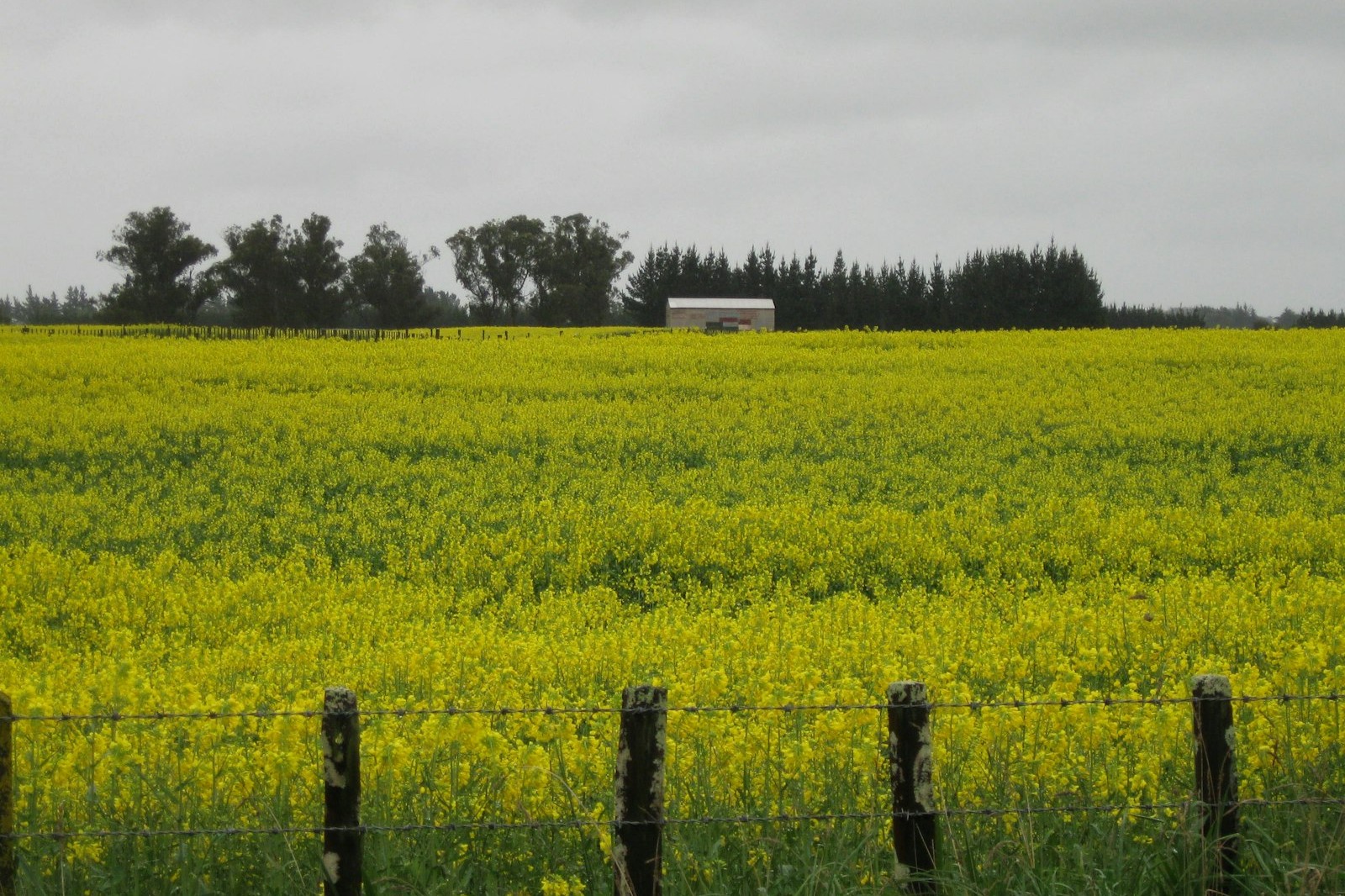
- Canola production is forecast down by 38% to 5.2 million tonnes but remains well above the 10-year average due to estimated area planted the second highest on record.
Area planted to winter crops in 2023–24 is forecast to fall year-on-year but remain historically high at 23 million hectares, 4% above the 10-year average to 2022–23. This fall is mostly driven by a 6% decrease in area planted in New South Wales and Western Australia.
Area planted to summer crops in 2023–24 is forecast to fall by 15% to 1.3 million hectares. The fall in summer crop plantings reflects the expectation of below average rainfall and declining levels of stored soil moisture in key summer cropping regions in Queensland and New South Wales.
Source: Australian Bureau of Agricultural and Resource Economics and Sciences (ABARES), Australian Bureau of Meteorology.