Masters of Diversification
Leefield Station in Marlborough’s Waihopai Valley is a powerful example of diversification with multiple land uses intertwined and integrated to provide an intergenerational, future-proofed farming business. Words Sarah Perriam-Lampp.
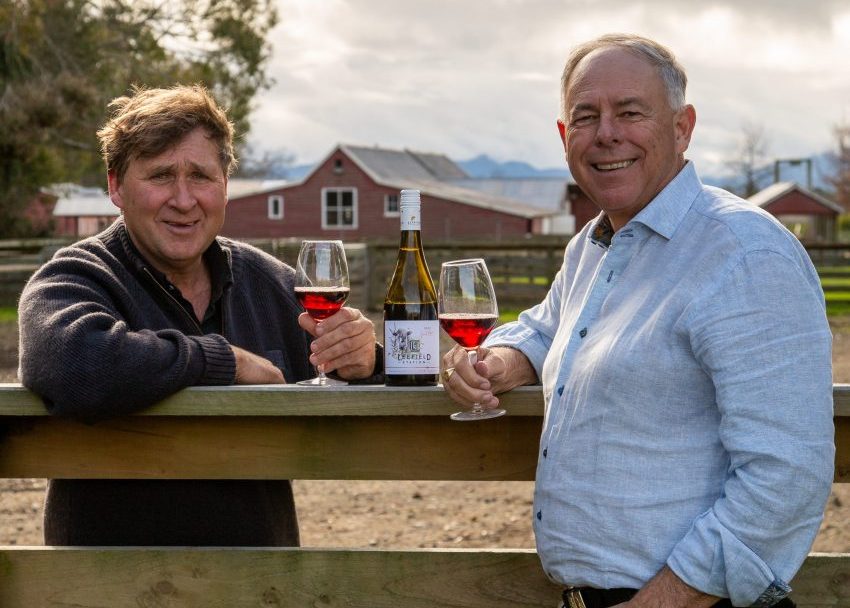
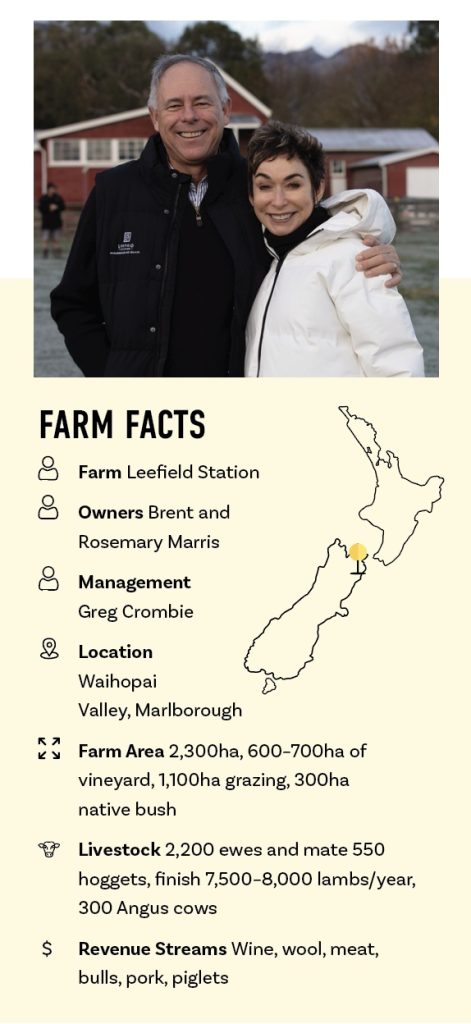 At Leefield Station, diversification isn’t a scattergun approach; it’s a carefully choreographed dance where every enterprise supports the others. From wine to wool, lamb to pork – their story is one of integrated success and a blueprint for the future of New Zealand large-scale hill-country properties.
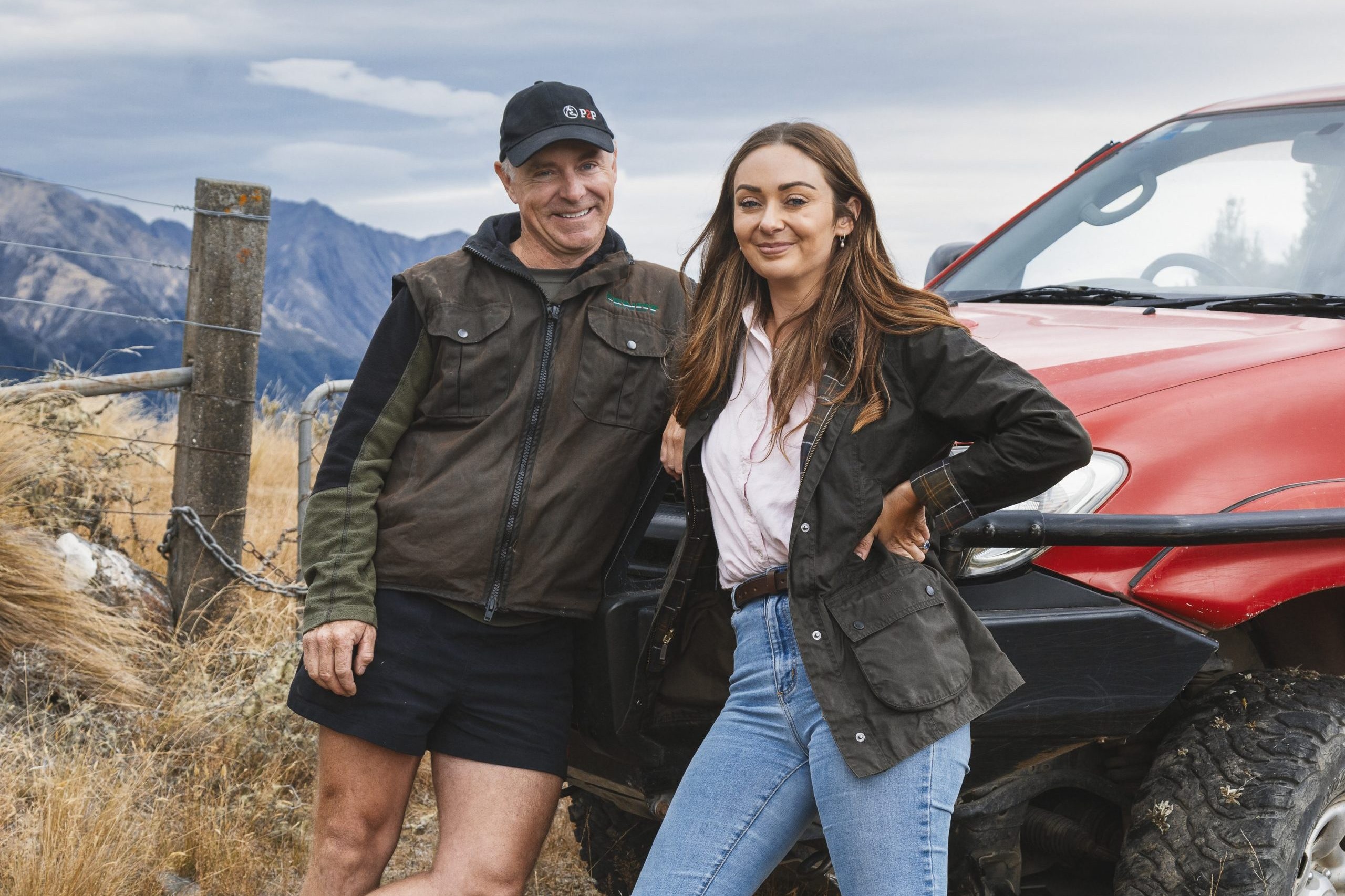
Leefield Station owner Brent Marris has a career focused on building brands that sell the story first and product second. His experience in building brands began with establishing Oyster Bay as the chief winemaker at Delegats Wine Estate in the late 1980s, to a successful sale of his own wine brand, Wither Hills to Lion Nathan. Brent’s next challenge was to search Marlborough for the ideal vineyard site; this led him to the Waihopai Valley, in Marlborough’s South East – he happened upon a 260ha block that soon became the home of the Marris Family’s leading brands The Ned and Kings Series.
In 2013 Leefield Station, a historic high-country station came available and Brent jumped on the opportunity to add this property to their family vineyard holdings in the valley.
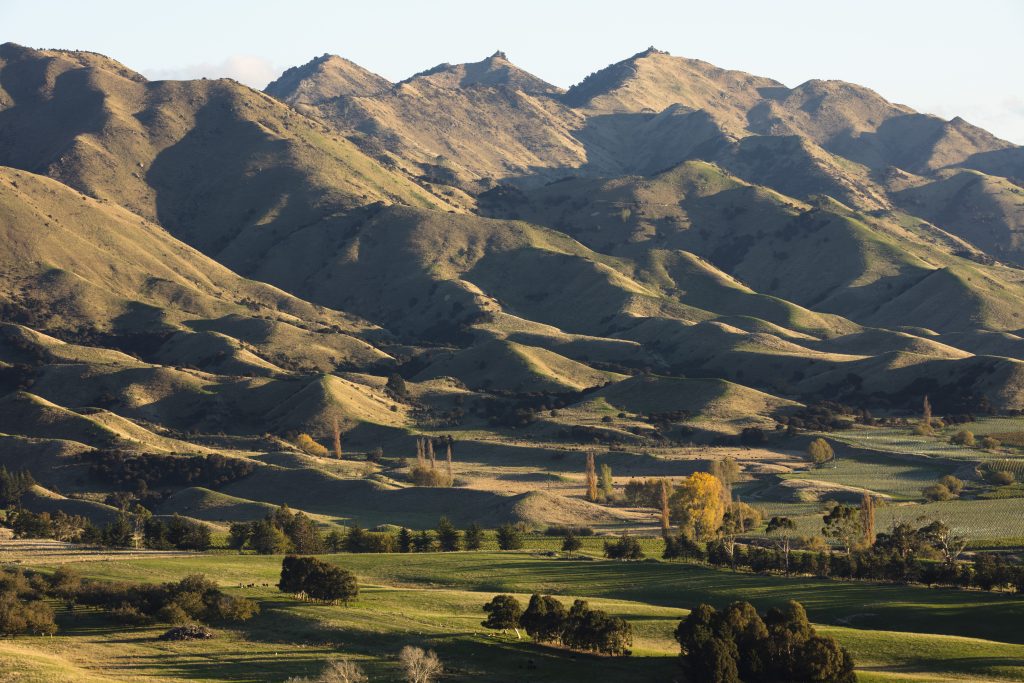
The property became the cornerstone of the marketing story of his third premium brand, Leefield Station, which covers an expansive 2,300ha with Romney and Angus bred on the hills and finished roaming under vines while Berkshire pigs forage under walnut trees.
“Ten years ago, you could throw words like ‘river’ or ‘mountain’ on a label and people would buy it,” says Brent. “Now, buyers want authenticity. They come here, meet Greg (farm manager), see the sheep, the vineyards, the pigs, and they become ambassadors for Leefield Station.”
This direct connection with customers has been key to the success of Leefield’s value-added products. Along with his wife Rosemary and their four daughters, Brent is proud of continuing the history of the station, which was once a traditional sheep and cattle run.
“My father was a stock and station agent in Blenheim back in the late sixties and seventies, and he used to bring me up here as a young boy and tell me stories about how well the stock used to do in this microclimate,” recalls Brent.
Leefield Station’s story dates back to 1840 when Constantine Dillon first purchased the property, initially grazing it with weathers but never residing there. Dillon tragically drowned in the Wairau River at just 37, and the property saw a succession of managers before eventually splitting into three separate farms in 1932, with one of these becoming Leefield Station.
Following purchase in 2013, the Marris’ family dream was to create a seamless story that connects their wine, wool and meat – a strategy for selling their wine to international consumers increasingly wanting to know where their products come from and how they’re produced, craving the next level of authenticity and a sense of connection to the land.
Brent and Greg have skillfully woven these elements together to create a business model that is as commercially savvy as it is environmentally conscious, transforming this once traditional sheep and cattle station into a thriving, multi-layered agribusiness that sets a powerful example of diversification done right.
The answer lay in layering complementary enterprises to add value at every step. As Brent explains, “You’ve got to think boutique on a commercial scale. We wanted to control our own destiny.”
It was crucial to find the right farm manager who would appreciate the 600–700ha dedicated to grapes, feeding directly into wines like The Ned, The Kings Series, and the Leefield Station label which came first. It also needed to be a manager who was passionate about building integrated new ventures.
When Greg Crombie first joined the team, he was handed the bold vision. “Brent and Rosemary had a clear picture of what they wanted this property to look like,” he says. “That made it much easier for me to bring it to life, making sure every step was practical and financially viable.”
Greg has a range of farm management experience across corporate to family-owned. He brought a lot of learnings from his time with Keith Neylon’s Antara Ag Farms, milking 14,000 ewes for Blue River Dairy in Southland. He has built passion for Angus cattle following his roles with both the Borthwicks’ Te Whanga Angus stud and at Duncraigen for Pāmu (Landcorp) both with large-scale sheep and beef farming operations.
For Brent and Greg, each new venture is carefully considered. “You need to back a winning horse. Any new diversification needs to consider climate, market demand, and whether it fits into the bigger picture.”
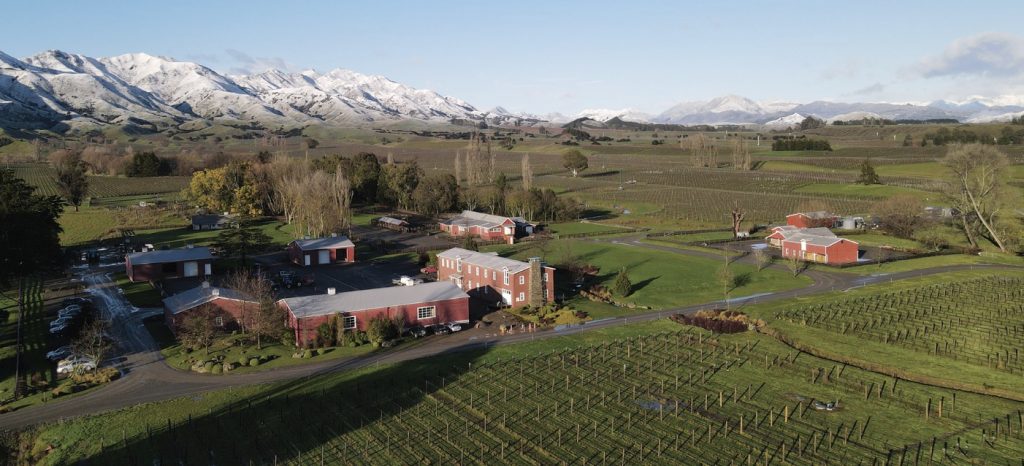
That ‘bigger picture’ is to not rely on commodity markets. Brent saw potential far beyond the cellar door integrating sheep into the vineyards as natural mowers during winter – a perfect example of adding value while reducing costs. “It’s pretty special to have our own lambs grazing among the vines,” he says. “It’s a win–win for soil health, vineyard maintenance, and animal welfare.”
He says the vision may have grown or evolved, but the foundation is the same.
“I focus on what the end product needs to look like and work backward to make every step count,” says Greg.
Like Leefield Station’s wool high-end knitwear from Romney. Brent instructed Greg that he didn’t want to follow the crowd into Merinos and wanted to do something different. Greg’s major challenge was to achieve a wool product that ticked the boxes for fashion with quality meat. A breed that would do well in Marlborough’s dry, challenging hill country and then finished on lush irrigated pastures under the vines.
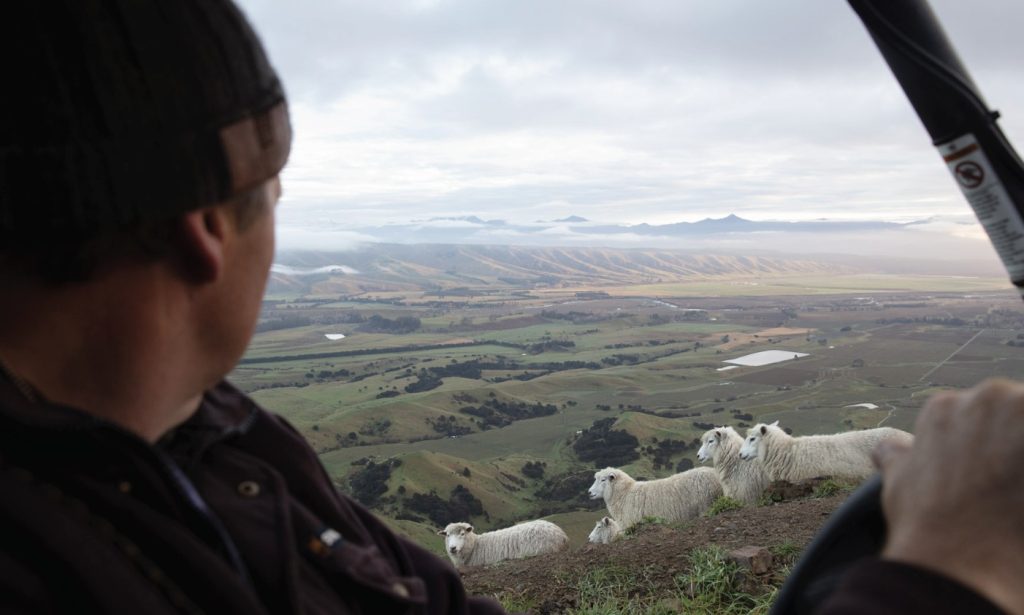 S
o Greg went to Hamish De Lautour’s Te Whangai Romney stud that has focused on fine-wool Romneys to produce fleeces at just 24–26 microns, which is exceptionally fine for the breed. This wool is now transformed into premium socks, hats, and jerseys, offering a fully traceable story from paddock to product for Leefield Station.
“We wanted a different story,” shares Brent.
Leefield also focuses on the rare Hampshire sheep, originally bred in the 1800s for superior meat quality. “Those early breeders got it right without modern science,” says Greg. “Today, science shows that Hampshire marbling is better than any other breed.”
Thanks to new genetic import rules, Leefield has been able to source top-quality Hampshire genetics from Ireland and Australia. The results are lambs with exceptional growth rates and temperament – animals that perform well even on dry hill country and produce a premium product that commands higher prices. “We’re getting better weaning weights and better growth rates after weaning, which means more lambs away early and more efficient use of our land,” Greg notes.
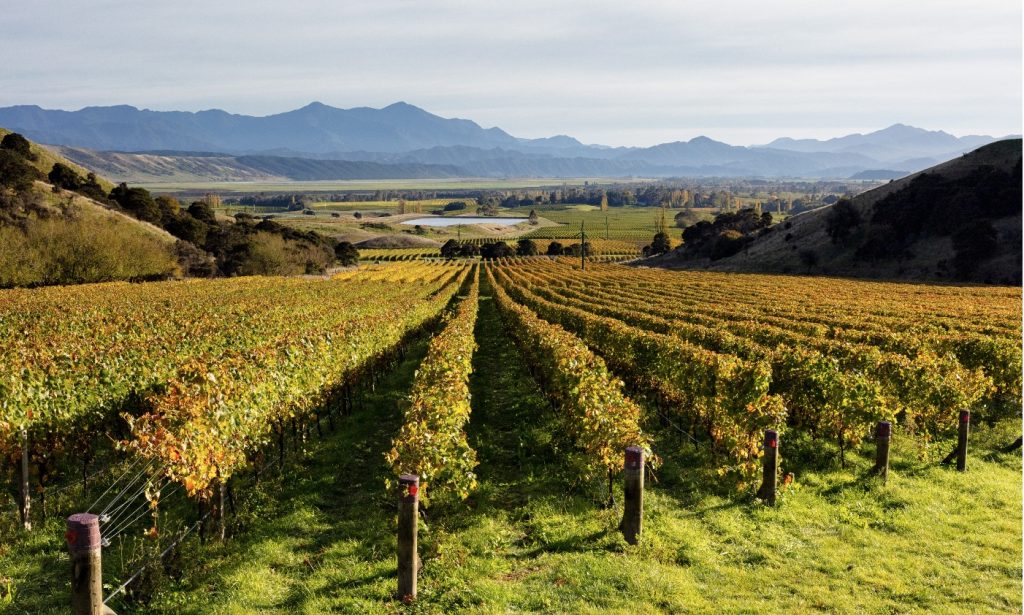
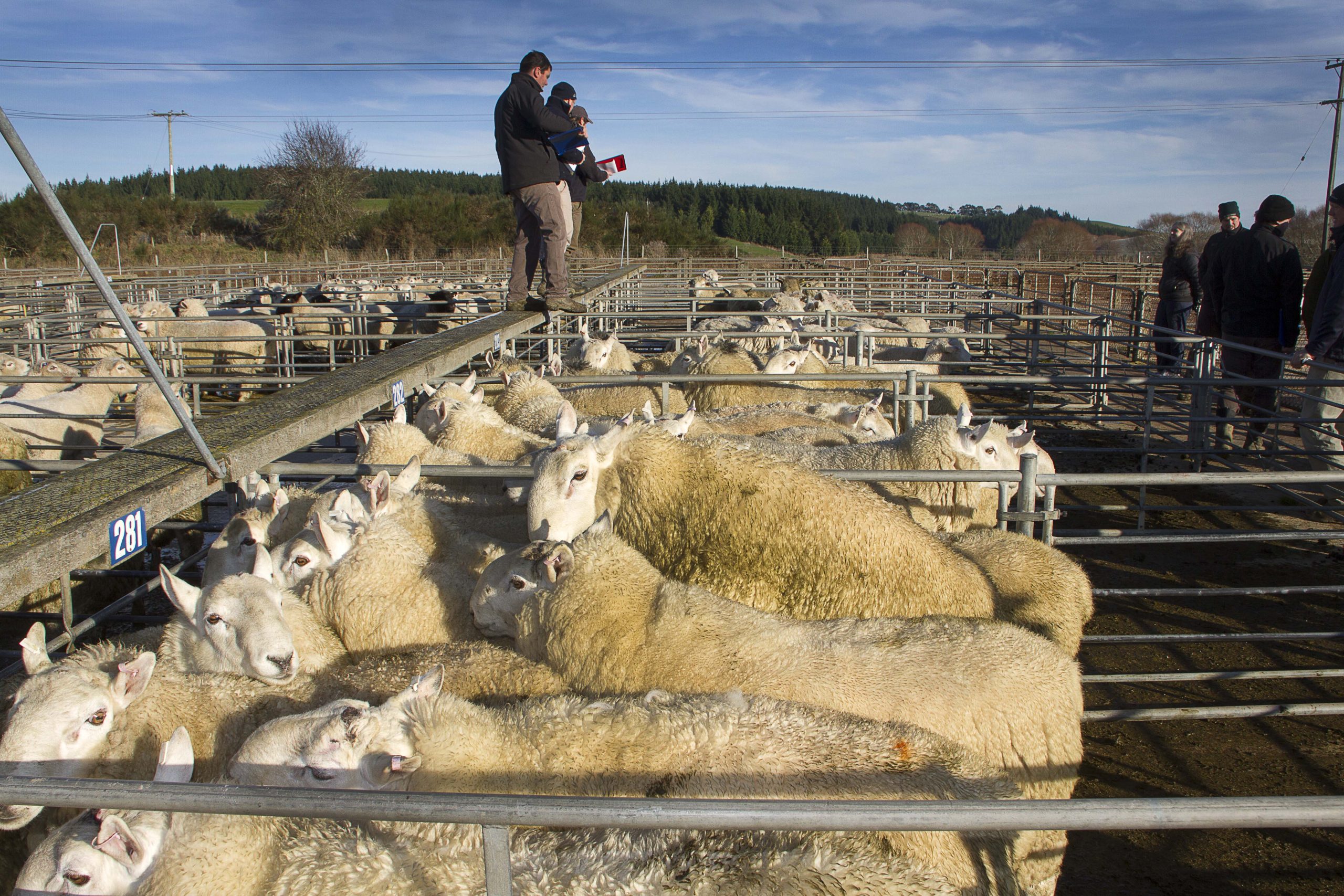
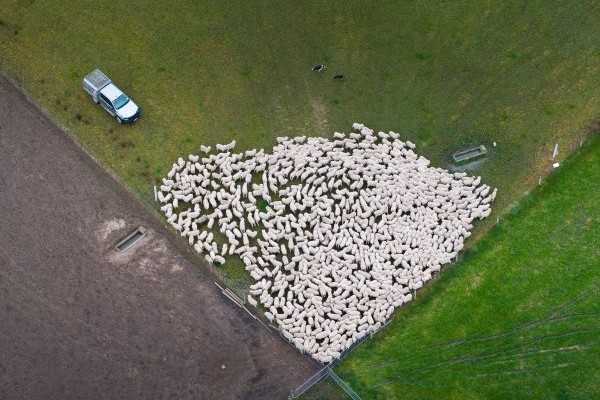
In winter, sheep graze among the vines, acting as natural mowers and reducing the need for machinery. “It gives Greg a chance to rotate store lambs through as needed, maximising every paddock,” says Brent. The development features on the station focused heavily on the vineyard and the stock water being on different schemes to avoid cross contamination, but also fertigation for the vines. The hill-country development water infrastructure is one of the country’s largest solar-powered water systems which has led to significantly increasing stock units on hill country. Another key feature is the extra large laneways which Greg planned for as dual-purpose between the vineyard and the farm’s needs.
This integration doesn’t come without challenges. “It’s about not everyone being stuck in their own silo,” Greg explains. “There might be 150 people working across 650ha of vines in the vineyard at peak, plus 3,500 sheep – so we have to work in harmony.”
Leefield Station wines are unique, with the former glacial valley filled with mineral-rich soil which is planted with Sauvignon Blanc, Pinot Gris, Pinot Noir and Chardonnay.
Sustainability is at the core of everything at Leefield Station. From repurposing old plastic containers into vineyard posts to recycling water from the winery back into the vineyard, as well as dags from the woolshed used as nutrients under the vines.
It’s the whole story that has given The Ned and Kings Series wines, as well as the Leefield Station label itself, a strong global reputation.
“Buyers from major supermarkets come here and become instant ambassadors,” Brent says. “They see that our story is real, that the wine in their glass truly comes from these valleys.”
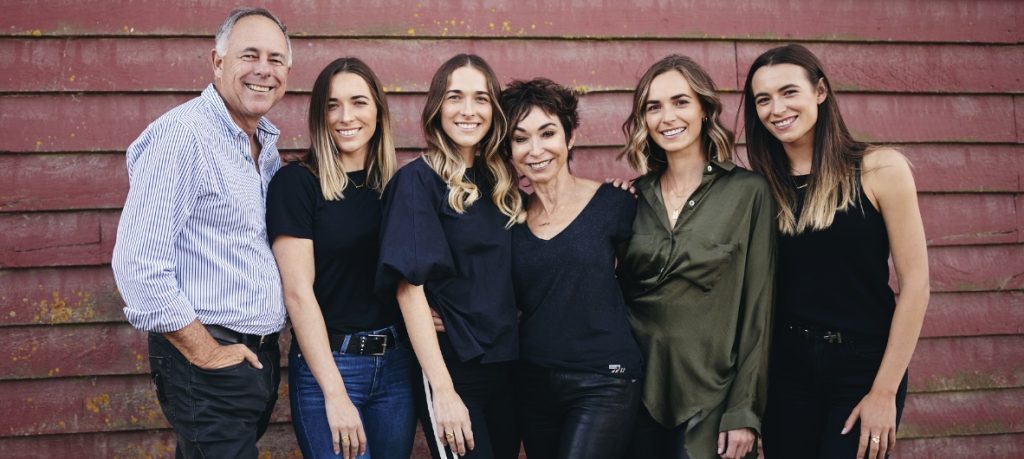
For Brent, boutique at scale is his business model. “We operate as a boutique producer, but on a commercial level,” he explains. “We own our vineyards, our wineries, our livestock. We control everything. That’s how we maintain consistency and quality year after year.”
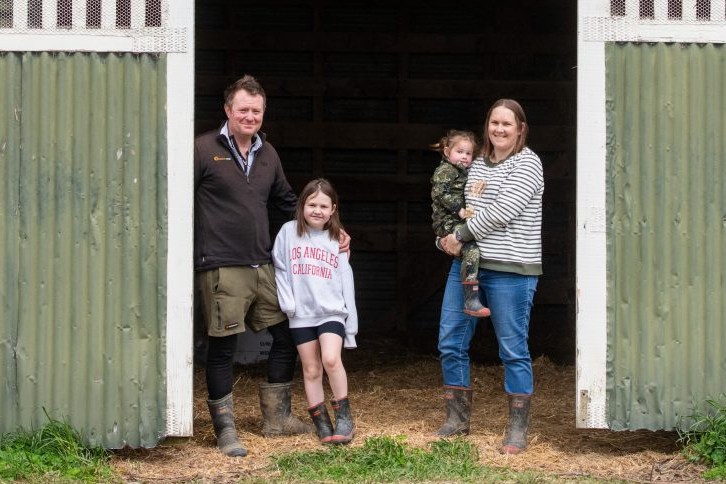
Intergenerational continuity is also central to the station’s strategy. The Marris daughters are increasingly involved, from winemaking to marketing to law. “We’re not forcing them,” Brent says. “But they love the land, and they see its value not just for us but for future generations. That commitment is key to keeping the vision alive.”
Emma, the eldest, followed in her father’s footsteps to train as a winemaker at Roseworthy College in Australia and has now taken on the role of production winemaker. Determined to forge her own path while embracing the Marris legacy, she has her own ultra premium wine label ‘Emma Marris’. There is even a premium sparkling called ‘Diamond Heart’ priced at $240 for a case (6 bottles) named after the ‘esteemed matriarch’, co-owner of Marisco Vineyards – Rosemary Marris.
The station also boasts a high-performing Angus stud. With his decades of experience in cattle genetics and performance breeding, Greg oversees 300 Angus cows raised under some of the most demanding farming conditions in the country.
The Leefield Angus Stud has since developed a strong foundation of females from carefully selected genetics from leading herds across the country. He focuses on the importance of calving ease, fertility, and controlling mature cow weight in their stud programme as these traits are aligned with the needs of commercial hill-country farmers across New Zealand.
They are an AngusPure Partner and also align with the E-Star Index.
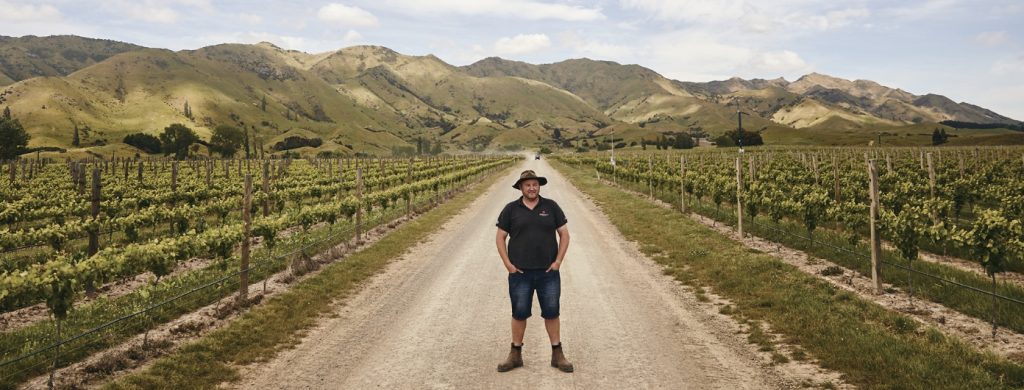
Brent reveals another high-value enterprise in what he jokingly describes as “a glass of wine moment” after a trip to Europe. “I came back and suggested pigs under the walnut trees, and Greg was onto it straight away,” he laughs. “Next thing, Greg has the fences up and the pigs are in.” Berkshire pigs are happily roaming now under old walnut trees.
Restaurant partners supply food waste to the pigs, closing nutrient loops and building on Leefield Station’s sustainability story. “But seriously, these pigs are now in high demand from lifestyle block owners and Berkshire pork for restaurants.”
As consumers increasingly crave authentic connections to the food and wine they enjoy, Leefield Station’s story of passion, innovation, and respect for the land might just be the blueprint others look to follow.
Brent and Greg’s Tips for Diversification
- Take your time, do your homework, and don’t rest on your laurels. There are no bad ideas, just the way you develop and execute them. Have caution and curiosity in equal measure.
- Listen to younger people – they have fresh ideas and better tools to research new opportunities.
- Consider what will thrive long-term as the climate is changing. Don’t be afraid to ask questions and look outside the box.
- Stay true to your vision and don’t jump around trying different things unless they fit that end picture you have in mind.
- And most importantly, have patience. You don’t find all the answers overnight.