

This interview was brought to you in partnership with PGG Wrightson.
Weeds are competing with crops and pastures for light, moisture and nutrients just as this spring’s growth accelerates.
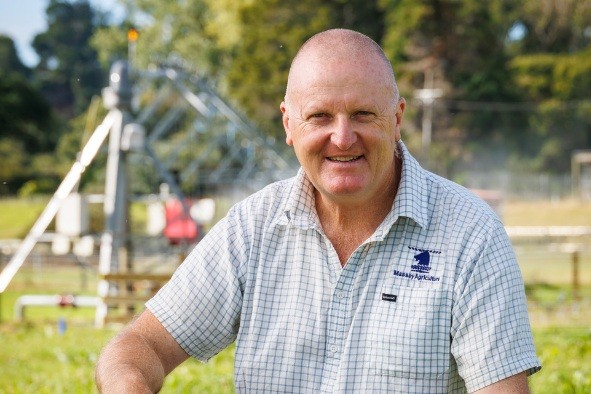
Gary Bosley, Technical Specialist in Agronomy and Precision Ag at PGG Wrightson, says any competition from weeds has a negative effect on production.
“You need to know the species of the weed, the growth stage of it, and make sure you’re not only killing the weed, but you’re also not going to kill your pasture or crop at the same time,” he says.
“It’s not right, both environmentally and also for the farmer’s pocket to just blanket spray everything.”
Bosley says noxious weeds such as Madagascar ragwort are coming down fast from Northland.
“Those things have to be taken out.”
He says clover-dominant pastures restrict New Zealand farmers to chemistry that is clover-safe and grass-safe but still kills weeds, which locks them into similar modes of action, and resistance increases without a rotation.
Weak control from spraying in poor conditions or applying a product badly can be mistaken for resistance.
“If, on a regular basis, you are not managing to control those weeds with that chemistry, then there’s a fair chance you’ll get resistance.”
He says common chickweed resisting Group 2 herbicides such as flumetsulam is a classic in the Waikato.
Weed seed samples can be sent away to be grown out and tested, with some of the service free through industry bodies such as FAR.
He says every agrochemical has a designated mode of action, so a weed resistant to one can be controlled with another that is active on the weed and safe on the crop or pasture, or by combining the two.
It is a legal requirement to read the label before using any pesticide, and that responsibility sits with the farmer and contractor as well as the advisor.
“Application is everything.”
He says survivors of a sub-lethal dose can mutate, and spraying the same chemical over and over leaves only the resistant plants to multiply.
PGG Wrightson trains their Technical Field Representatives to identify weeds and the right product, track how well it works, and pick up resistance before the farmer does.
This interview was brought to you in partnership with PGG Wrightson. If you’re planning your spring weed-control programme or want advice on managing herbicide resistance, talk to your PGG Wrightson Technical Field Representative or visit your nearest PGG Wrightson store. Find your nearest team at store.pggwrightson.co.nz
CountryWide CONNECT with Andy Thompson & Sarah Perriam-Lampp is our daily rural show livestreamed from 11am-1pm. Visit country-wide.co.nz on how to watch/listen or download the CountryWide CONNECT mobile app, available on Apple iOS and Android.
AI-Assisted Content