Livestock by train
The deregulation of transport in New Zealand in the 1980s was the significant opportunity Philip Wareing used to grow his business rapidly. Before then, livestock were transported long distances by train. Words Sarah Perriam-Lampp

How did you start out your career after school?
I left school to work on farms, including in Australia on cattle stations. When I returned in the 1970s to Rakaia, Mid-Canterbury, I worked as a Wrightson’s grain agent.
While working as an agent, I grew potatoes to earn some extra money to save up the $15,000 I needed to buy a J 1 Bedford truck in 1975.
When I started out with my first truck, in the early 70s, the rabbits had to take their lunch to work as the plains were pretty barren. But we knew with cocksfoot growing on the side of the road this was a good sign of its potential.
As the productivity of the Canterbury plains grew, so did my business.
How did you grow your business in the early days?
I went into spraying contracting, starting from scratch and growing to 23,000 acres over the next two years, introducing fertiliser spreading and then logging trucks.
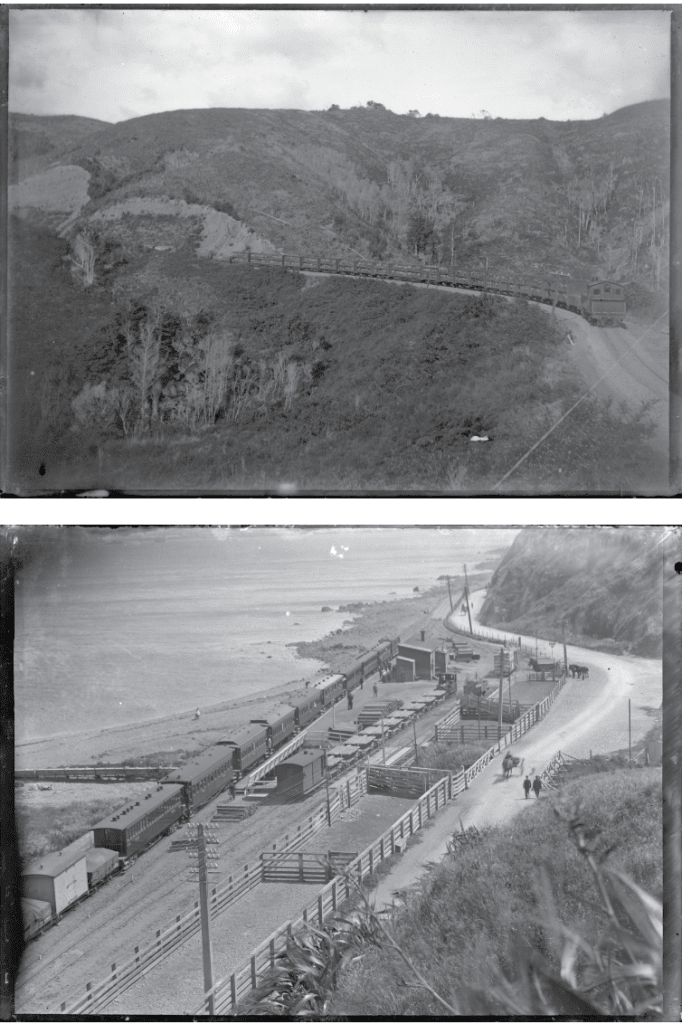
There was no road transport sector in those days as we were bound by regulation of short-distance licenses. All the shipping was controlled by the government-owned rail system, which was protected from competition.
Even livestock? Did sheep and cattle travel by train?
The government limited the distance trucks could carry goods, initially it was 50 kilometres and they extended it in 1977 to 150km. You had to be licensed to carry specific types of freight, within particular areas. Livestock, bulk grain, and logs were mostly all transported long distances by train. When the government abolished the licensing system it opened the door for expansion into long-distance heavy road freight, transforming local companies into national operators like ours.
Where is Wareings Transport today?
I’m so happy that my children work across every aspect of the business. Alongside my two sons, Mark and Simon and daughter Rachel, Philip Wareing today operate six transport companies and a freight hub, providing a combined fleet of over 270 trucks employing over 400 people, which makes us one of the largest transport companies in the South Island, based from Methven.
One of my proudest moments was being able to buy the iconic high-country station, Mt. Arrowsmith, in 1997 set amongst the snow capped mountains on the shore of Lake Heron, accessed through the Ashburton River gorge. It was a dream I always had in my mind on those late nights driving trucks. I started the business with not much and have taken a lot of risk over the years, but it has paid off. I’m happy that’s the legacy I pass onto my children and grandchildren.