Let’s talk rubbish …
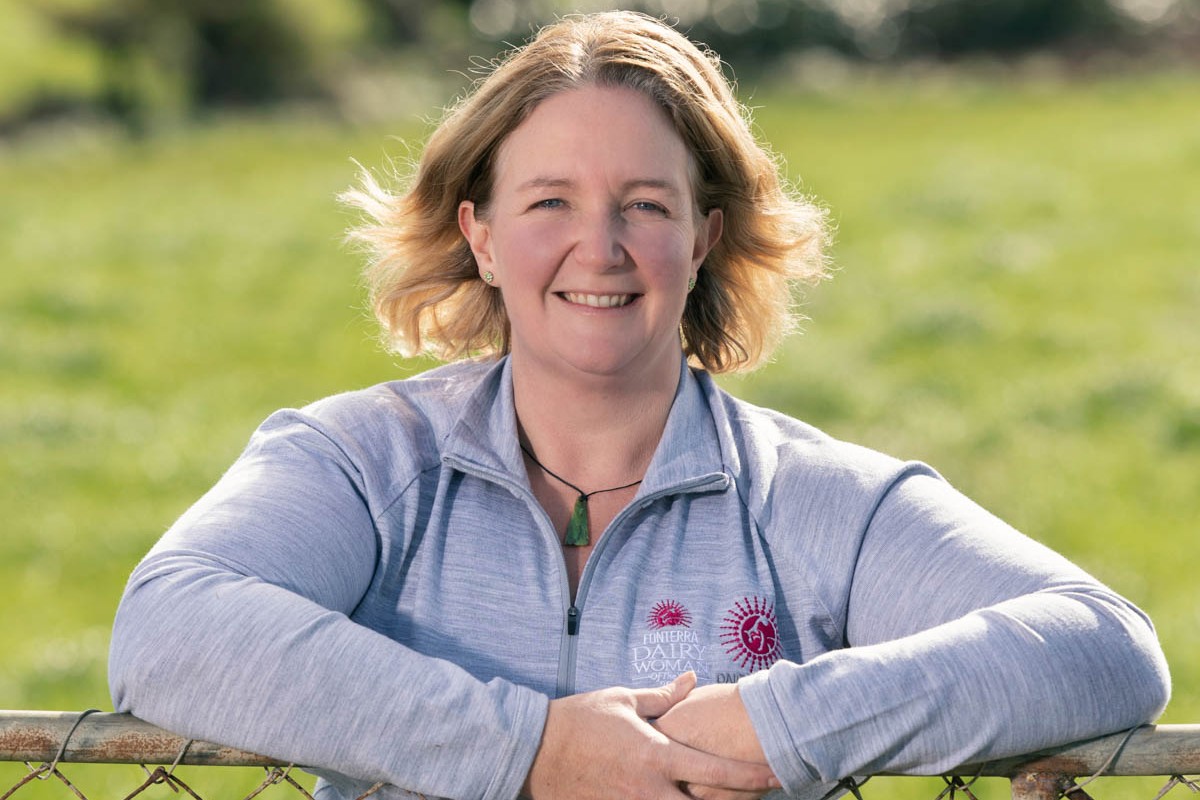
Taranaki dairy farmer Trish Rankin has worked with catchment groups to help farmers plan their actions, and with councils to build in better waste minimisation strategies for their rural communities, here she shares top tips for how to manage waste created onfarm.
Words Trish Rankin
1. Know your waste streams
What creates waste on your farm? Things to look at include household/domestic rubbish, plastic wrap/silage wrap/netting, waste oil/fuel, plastic containers, expired chemicals, orphan chemicals (the things at the back of your shed that have faded or no label on them), rubber/tyres, scrap metal, building/demo waste, animal health containers, feed/seed/fert/wool bags and weeds/pest control containers.
2. Little by little, a little becomes a lot
Now that you know your waste created, set a goal to investigate how to manage each waste stream better on a set timeframe. For example, each month/quarter decide to learn/improve on the waste management of that item.
Month/Quarter One – Plastic Container recycling. Sign up to Agrecovery and arrange a collection of larger drums onfarm or drop off to a collection depot after triple rinsing.
Month/Quarter Two – Domestic Recycling. Set up a recycling depot centrally on farm and discuss with staff about using this to drop in clean tins, plastics 1/2/5, glass, paper and cardboard.
Month/Quarter Three – buy some large plastic collection bags for woven bags (feed/seed/fert) and package these up.
Month/Quarter Four – develop a routine to manage waste weekly. For example, Monthly Farm Tidy Friday, where someone has the job to drive recycling to town and pick up fish and chips for lunch; while others are checking that fert/seed/feed bags are put into the plastic collection bags or triple rinsing containers ready for drop off to Agrecovery depot.
3. Know more, Buy better
You’ll have a good idea about what products create the most waste onfarm, so is there an opportunity to buy and consume better? For example, when you are at your local supply store, can you buy a product with packaging that is able to be recycled (buy products with Agrecovery logo on it if it’s a chemical product), select hdpe/woven bags for things like calf meal instead of the plastic-coated feeling ones, because the woven bags can be recycled by Agrecovery.
4. Buy Circular Products
Support the growing upcycling and circular products that New Zealand is creating. The more we buy these products the more innovation can occur to manage other waste streams too.
Future Post is a New Zealand based company that creates 100% recycled plastic fence posts. The company takes recycled household plastics such as milk containers and household plastic bags and turns them into plastic fence posts. Machinery designed and made in New Zealand is used to turn the soft plastic packaging into small chips, which are then put through an extruder and moulded into fence posts. About 1500 bags go into each standard fence post.
Saveboard is a New Zealand company that upcycles packaging waste into construction board. The company converts (previously unrecyclable in New Zealand) material such as coffee cups, carton board and soft plastic waste into new products.
5. You don’t know what you don’t know
There has been a lot of new support to help farmers manage waste streams on farm and more expectations on the manufacturers of products to provide product stewardship. This means that there are some improvements and more products being added to collection/return and recycling schemes. Some good sites or social media to check include: