
Knowing your farm cover and excesses before you need them
Underinsurance is still common in New Zealand, often in business interruption cover, tractors and milking sheds.
 |November 18, 2026
Listen to the full interview:
Brought to you in partnership with FMG.
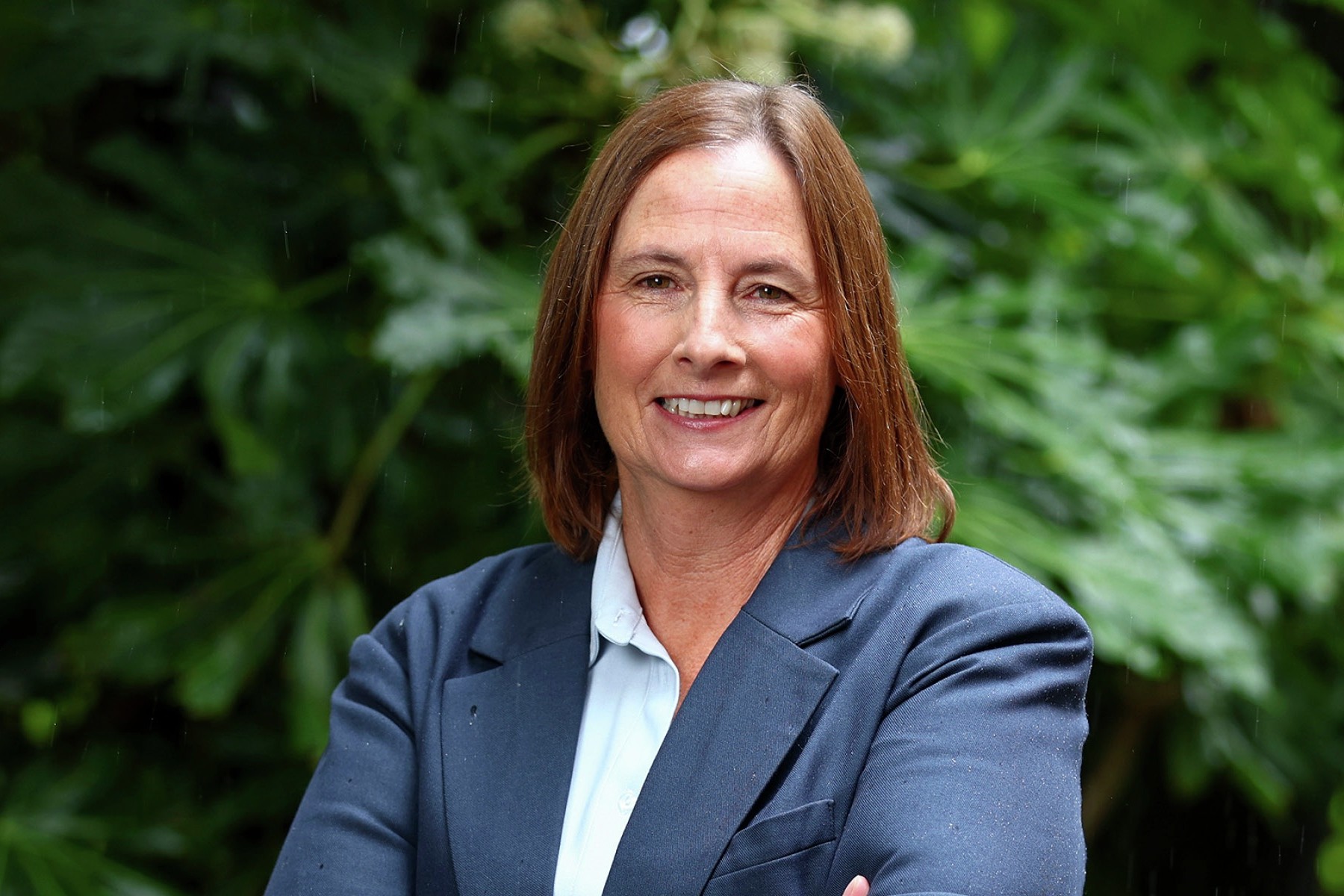
FMG’s Head of Claims Strategic Operations Jacqui McIntosh says insurance should carry the same weight in planning as a conversation with the bank about an overdraft, or a decision to buy in feed ahead of a drought.
“The right time to make that decision is when you’ve got some breathing space and an opportunity to really understand how insurance forms a fundamental part of any farm contingency plan,” she says.
The time to review cover, excesses and how a policy might respond is at renewal, at least once a year.
“The worst thing that you can do is be in the thick of it, trying to keep your farm up and running, trying to get your kids back off to school and trying to get some normalcy back into your life.”
Underinsurance is still prevalent in New Zealand, with people tending to gravitate to the assets they know most about, such as adjusting a car’s value by a few thousand dollars a year.
“When it comes to the more complex sides of insurance, the sides that actually fundamentally make a difference to your business, like business interruption cover, your fleet of tractors that are parked up, or your milking shed, it feels a bit harder to think about so people just go, ‘Oh, that figure looks about right.’”
McIntosh says those decisions can leave people tens of thousands or even millions of dollars out of pocket. With the cost of everything going up, anyone unsure what an asset the business relies on would cost to rebuild should seek advice.
“At the end of the day, we are not valuers, we’re insurance experts.”
Excesses vary across a policy, with different amounts for a house and a car, and each insurer defines a natural hazard, which can often carry a higher excess.
“If you had a fire at your commercial dairy shed, your excess might be $500, but a natural hazard excess might be two and a half percent of your overall sum insured.
“So if your overall sum insured is a million dollars, that’s a lot more than $500.”
McIntosh says FMG clients can see their cover and policy wordings laid out visually in the FMG Connect portal, and FMG’s role is helping people understand that cover.
“We’d much rather spend the time sitting down and really talking about your risks with you than talking about should you adjust your old Toyota Corolla that’s in the paddock by a thousand dollars a year.”
Jacqui’s top three tips:
- Know your cover before you need it: review your insurance schedule, check your sums insured and excesses, and make sure the assets that matter to you are accurately covered.
- Get the basics in place: keep your policy information easy to find, take up-to-date photos or records of key assets, and register for FMG Connect so you are ready if an event happens.
- And remember: the best time to work through this stuff is before you need it.
Take the next step: head to FMG’s Disaster Information Pages for practical advice on preparing for different events, staying safe and knowing what to do if you need to make a claim.
Watch the full interview:
CountryWide CONNECT with Andy Thompson & Sarah Perriam-Lampp is our daily rural show livestreamed from 11am-1pm. Visit country-wide.co.nz on how to watch/listen or download the CountryWide CONNECT mobile app, available on Apple iOS and Android.