Growing a fine beer
Arrowtown’s Royalburn Station owner Carlos Bagrie has developed a tasty and thirst-quenching way to take control of his barley value chain.

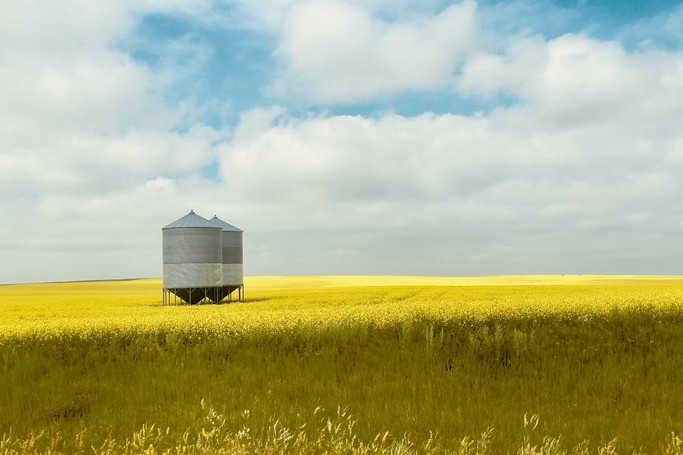
After several seasons, we’ve trialled various crops at Royalburn Station, from small seeds to sunflowers to all of the main cereals. Growing 150 hectares of arable crops means it’s a big enough part of our operation to want to get it right.
Heaven knows I have a shed full of toys that are used to sow, fertilise and harvest, so I at least need to do better than keep the repayments for these in check.
Yet, the crystal-ball-gazing that goes into planning crop rotations is both frustrating and leaves a heap to go wrong. Being at the mercy of a fluctuating commodity market, with little control of input costs and no control of weather, is a sure-fire way to irritate even the most even of tempers.
And yet, as farmers, that’s the hand we get dealt, unless of course, we try to take control of the value chain ourselves. In the past, we’ve worked with The Good Oil and produced our own branded sunflower oil, which sells well out of our little Arrowtown shop.
The contracts on the clover and pea multiplications aren’t bad, but the one crop I kept returning to was barley – how do we extract a higher return per hectare from it rather than selling it as either malting or feed?
Inevitably, I found myself practising the artful exercise of drinking beer. My participation in this pastime led to the inevitable topic of all things beer and, in my mind, how, as farmers, we could take more control over the value chain.
If I could ‘grow’ beer, so to speak, I’d be in complete control of the production process and extracting more value from my land, crops, and machinery.
A conversation with the clever team at Garage Project meant we had the brewing end sorted. And that was how Swifty came to be, allowing our simple, delicious and refreshing beer to be born.
Yes, it’s taken a lot of work and a reasonable level of capital, but it’s a testament to the fact that, as farmers, we have options past the farm gate and away from the commodity markets. In the arable world, there have been some fantastic stories here in New Zealand, with hemp oil, quinoa, pea protein, organic milled flour and durum wheat all finding themselves on shortened supply curves. In these examples, the farmers have become the manufacturer, the wholesaler, the retailer, or all of these.
They say diversity is the spice of life, and while I’m a farmer, not a philosopher, I do agree that there’s something in that. And yes, there are certainly plenty of pitfalls for farmers to fall into when wanting to diversify their practices or product offerings. But there are sometimes sweet rewards, too, and for me today, having launched Swifty a week ago, I couldn’t be more proud
or, refreshed.