Farming with a view
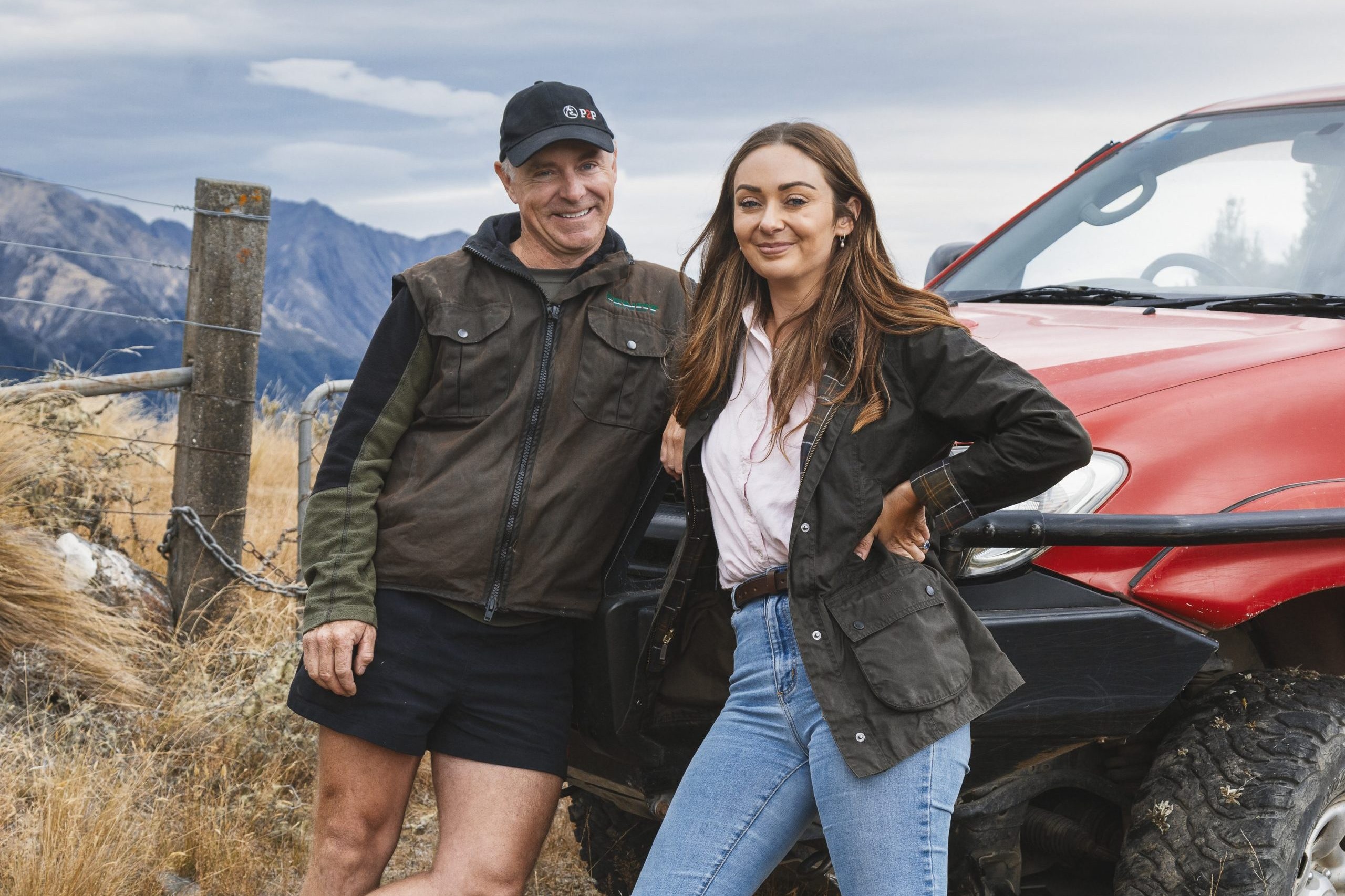
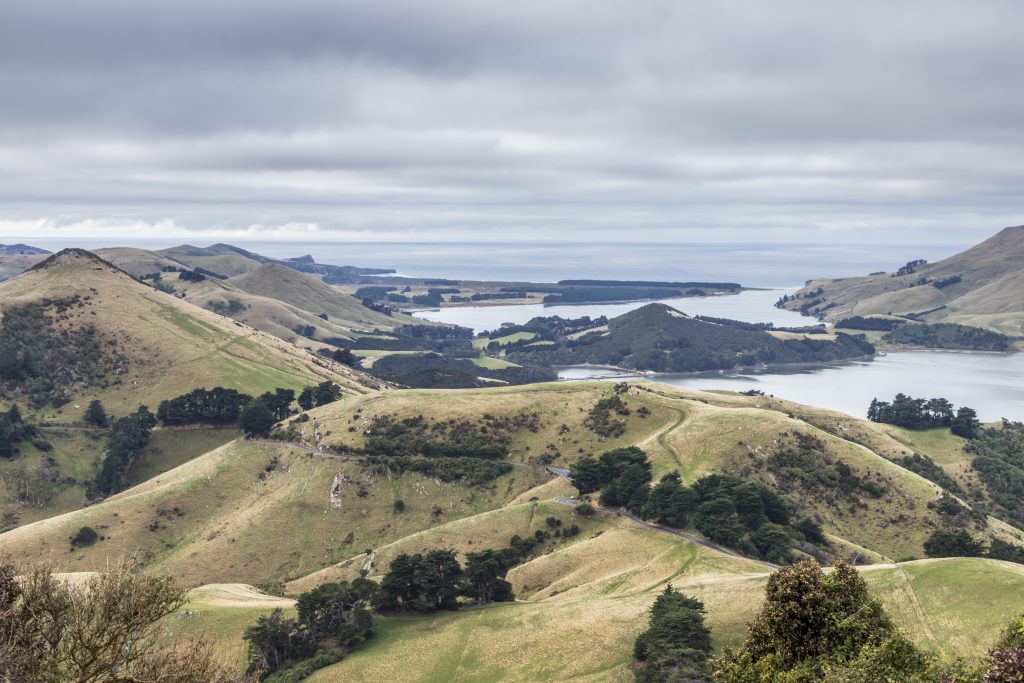
High above Otago Peninsula, the extinct volcano Hereweka Harbour Cone looks down on the farming operation of Brendon and Paula Cross, and where the possums used to play. Karen Trebilcock visited. Photos Jan MacKenzie.

Genetic gain is how Brendon and Paula Cross put their collective feet down on the accelerator on the Otago Peninsula.
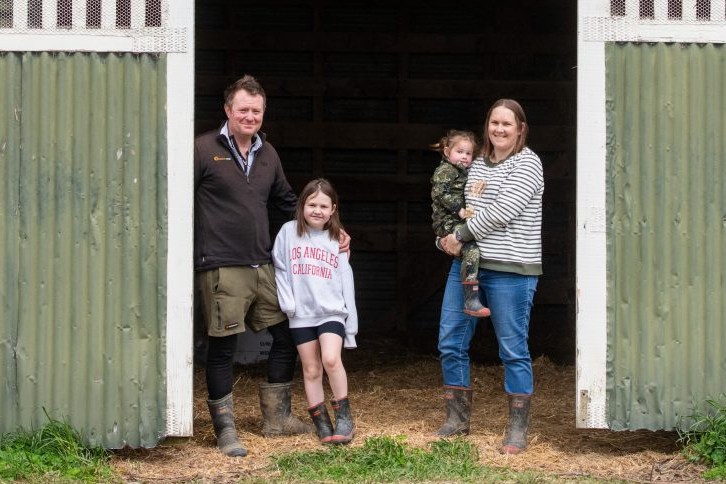
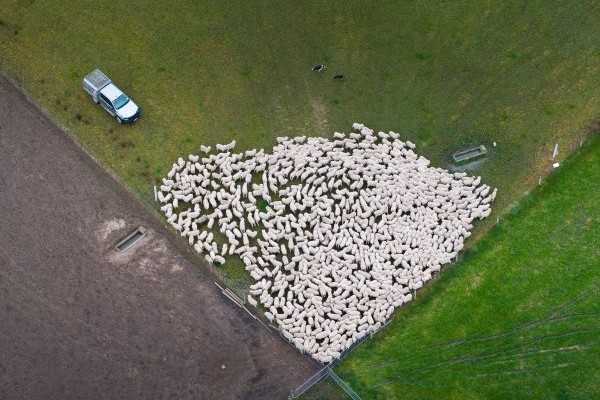
Brendon and Paula, with farm staff Brett Hurley and Bronwyn Anderson, manage 4000 ewes, 1000 hoggets and 40 mainly Angus cattle on the steep faces.
They own 200-hectare Roselle Farm, which includes their house and a farm stay, plus have multiple leases ranging from a few hectares to the 328ha of Hereweka Harbour Cone, owned by Dunedin City Council. Another 260ha on the coastal side of the peninsula at Sandymount, leased from residents George and Shirley Murray, completes the massive operation that is always in the spotlight.
Dunedin’s premier tourist attraction, the world’s only mainland nesting site of the Royal Albatross, is at one end of the peninsula and there are public roads and walking tracks throughout the property.
A new, fenced-off sea lion nursery at Hoopers Inlet is bringing more visitors and little blue and yellow-eyed penguins can also be seen. One of their neighbours is Larnach Castle, also open to visitors.
With the pastures predominantly brown top, growth is mostly in late winter and spring. For the past three years there have also been long autumn dry periods. “It makes it store country. We sell all the lambs at weaning, which is either before Christmas or after, depending on the weather,” Brendon says. “By selling store, it makes the most of the growth period and decreases our risk if it gets dry.”
When they took on the Hereweka Harbour Cone lease in 2008, soil tests found the Olsen Ps at three to four. With the steep faces, their only option is to fly on fertiliser. “The economics of flying on fertiliser on leased, north-facing, store-sheep country is questionable, although I’ve had lots of discussions with fertiliser reps about it.
“The land wasn’t bought by council for farming. With leasing, it’s key to understand what the lessor and the lessee want. If they don’t have the same objectives for the land, then it’s a waste of time for everyone. With all the people we lease off, we have tried to understand their needs and I hope they have understood ours.
“It’s a challenging block most of the time but it is what it is. It’s not going to set any production records,” Brendon says. “And anyway, it’s a pretty nice place to farm,” says Paula. “We never get tired of the views.”
It’s their focus on genetics, with rams sourced from Te Whangai Romneys in the hill country of southern Hawke’s Bay, that is improving flock performance and pumping up lambing figures. “We’re scanning at 180% now and lambing at 160%. We’ve seen a 10% increase in the past four to five years,” Brendon says.
“The Te Whangai sheep are bred to survive on steep country like this and they’re hardy with worm tolerance.”
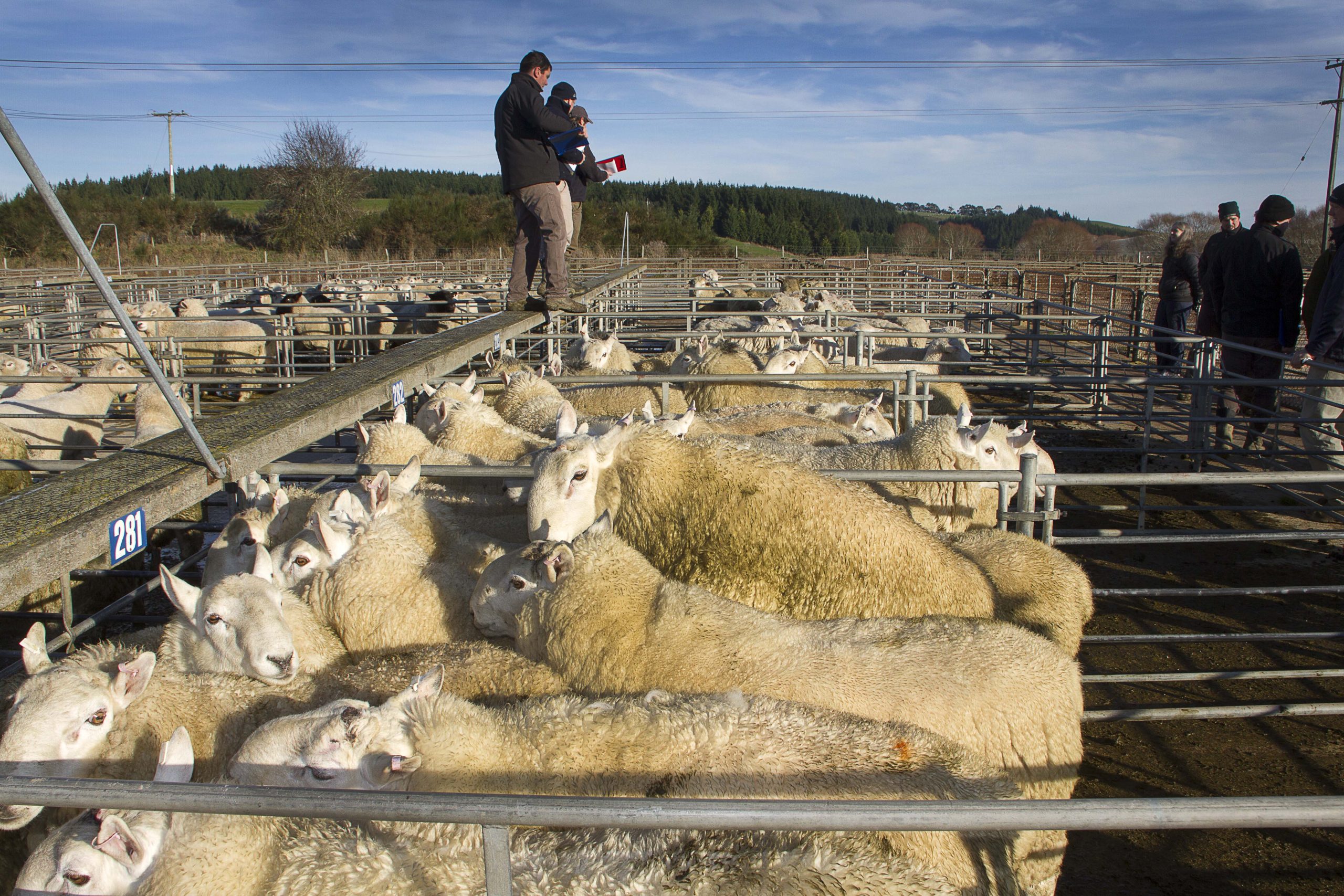
The store lambs have been sold through Silver Fern Farms to one buyer at Dunback, North Otago for the past five years. “They must like our lambs to keep taking them.”
Worm burdens are monitored through faecal egg counts using their vet and they’ve found the autumn drys are demanding strategic drenching for the ewes as they are forced to graze lower.
They would like to increase cattle numbers to manage pastures better, but the lease only allows sheep to be grazed where the many walking tracks are.
The farm is closed to public access during lambing and when opened back up Brendon and Paula and their staff make a thorough check that everything is as it should be. “We do get calls from the public about a sheep stuck in a fence, which can be really helpful,” Brendon says.
With so many people accessing the land they find it also self-policing with gates, which may have been left open by one person, shut by those following. “There is a style system on most of the tracks and people know not to bring their dogs.”
“The Te Whangai sheep are bred to survive on steep country like this and they’re hardy with worm tolerance.”
The South Island orienteering champs were held there in April.
Gullies on Hereweka Harbour Cone are being retired, fenced off and planted by volunteers using natives grown from locally sourced seed. “We’re fully in support of it. If it was our place, we’d be doing the same,” Brendon says.
But it means natural water must be replaced with reticulated stock water which, along with gorse control, has kept Brendon busy.
“We’ve been doing a lot of fencing too. There were very large paddocks here but the price of that is going up. The last quote I got was $40 a metre.”
Rams go out early April with a week or so difference between the major blocks to distribute the workload. Snow falls infrequently on the peninsula and never stays long and there is plenty of shelter on the slopes for lambing ewes.
They make small amounts of balage on their few flat paddocks and do not winter or summer crop. But on the plus side, every major lease block has good yards and woolsheds.
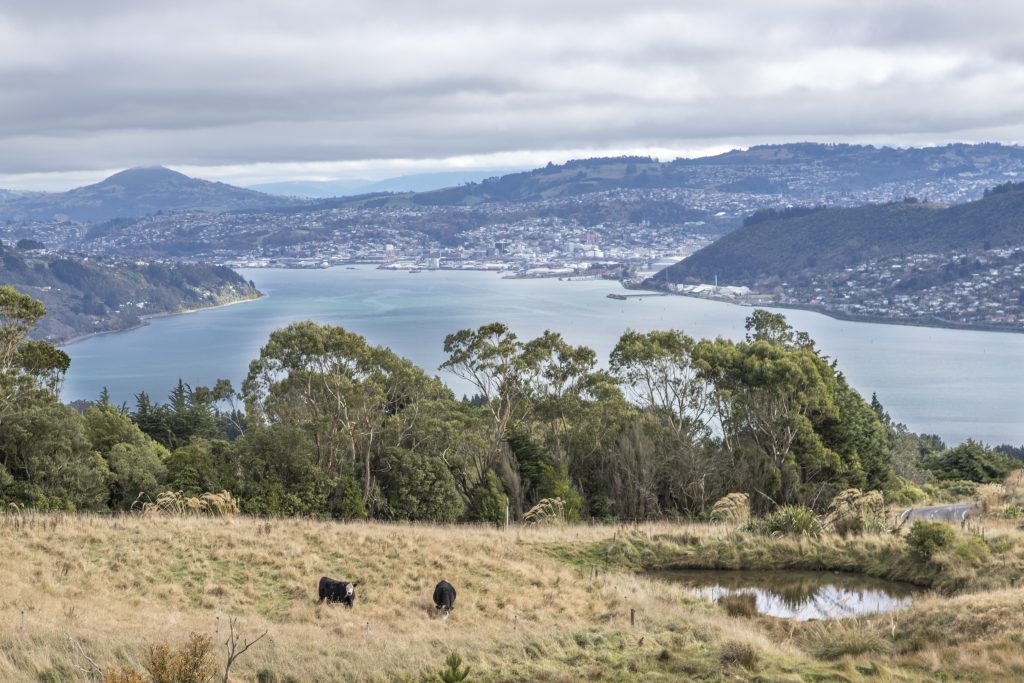
“We still view it as a family farm. I’m sixth generation on the home block. Both of our children are entering the industry with Thomas just starting out as a rural banker and Hannah is nearly finished a vet degree,” Brendon says. “My sisters still come up here, and our nieces and nephews and my mum. We want them all to continue their association with it.”
Their operation won 2106 Otago Ballance Farm Environment (BFEA) Supreme Award and since then they have both been involved in the
awards in some way, with Paula coordinating the Otago event and Brendon judging and then chair of the Otago BFEA Committee.
This is his second year as chair of the New Zealand Farm Environment Trust, which runs the awards.
“When we first entered the award, I thought I had five years of work before I should enter again and then we decided to just have another go and we won the Otago supreme award.
“I still think I have 10 to 15 years to get it where it should be, but the award is not about where you’ve got to, what you’ve achieved. It’s about where you’re heading … anyone thinking about it should just enter.”
SEARCHING FOR THE LAST POSSUM
After trapping almost 24,500 possums since 2008, the Otago Peninsula Biodiversity Group is thinking of running a sweepstake amongst its seven staff and hundreds of volunteers as to when and where the last possum on the peninsula will be caught.
“We believe we’re down to the last few. We’ve flown thermal imaging drones over the peninsula and we’ve got over 300 trail cameras set up and our dogs are trained to find them. There has been no sign of anything lately,” Paula says.
Brendon was a founding trustee of the group and Paula has been operations manager for the past year, a full-time position, which helps to supplement the farm income. Before that she was the part-time community coordinator.
“Trap technology has come a long way in the past 10 to 15 years. We now have a series of monitored traps that email us when something is caught and they email us regularly to say they’re operational as well … It’s been a game changer.”
Funded through the government’s Predator Free 2050 and Dunedin Predator Free, the group is the proud success story of peninsula might. Which means in the next few months most of the 1300 traps will be removed and repurposed for the next target species. “Possums were chosen first because they were a pest in the rural and urban areas,” Paula says. “And because there had been no TB on the peninsula for years, there had been no funded trapping programmes, so there were a lot of them.”
Genetic testing showed the possums found in Dunedin city, and on the other side of the harbour weren’t related, so the peninsula population was contained by the narrow stretch of land which connects it to the mainland.
“Trap technology has come a long way in the past 10 to 15 years. We now have a series of monitored traps that email us when something is caught and they email us regularly to say they’re operational as well…It’s been a game changer.”
 They use Celium which is a low powered, long-range, wireless network through Encounter Solutions.
“A good worker could cover a hundred traps a day but with this system we can look after so many more with a lot less people.”
And possums, it turns out, need a variety of traps.
On Paula and Brendon’s own QEII block of native bush, a trail camera picked up an adult possum a few years ago coming through the boundary fence at the same place every night. “It walked past the traps and then an hour later the camera would pick it up again going back through the fence but on the other side of the fence post.”
They put in more traps and different types of traps and finally caught it in a neighbour’s stand of macrocarpa. “There is macrocarpa everywhere on the peninsula. Everywhere you see old macrocarpa trees is where there was once a house.”
Paula says some traps work using food lures, and others using colour. “Possums don’t have a great sense of smell but they have very good eyesight and are attracted to bright things like the colour white. They’re inquisitive.”
She says when the group was formed in 2008, it was decided to call it a biodiversity group so other pest species could be in their sights without a name change. “We would like to target multiple species next. Possums take food away from the large birds such as kereru, bellbird and tui but mustelids, rats and mice prey on the peninsula’s smaller birds and lizards, taking the eggs of some of our defenceless birds like rifleman and tomtits. “We’ve got the biggest birds in the country here to look after, the albatross, but also the smallest bird, the rifleman.”
She says the elimination of possums on the peninsula has changed it, with the native bush already looking healthier and bird life increasing. But Paula doesn’t think the dramatic landscapes will be fully covered in bush again any time soon. “Someone told us they’re both nice to have – the rolling, open paddocks and flourishing native bush and I think they’re right.”
Harbour Cone
Harbour Cone, or Hereweka, dominates Otago Peninsula. The remnant of a volcano, its 315 metres is the third highest point of the landscape, a feature many walkers take advantage of.
The hike up it isn’t long and the views from the top take in both coasts of the peninsula and the northern landscape across to Port Chalmers and beyond.
The Māori name, Hereweka, means “to catch weka”, or “swift weka”, showing the flightless birds were once a plentiful food source for Māori.
Most of the peninsula was bought by the Crown from Otago iwi Kai Tahu in 1844 following the signing of the Treaty of Waitangi but it was not subdivided into land titles until 1863.
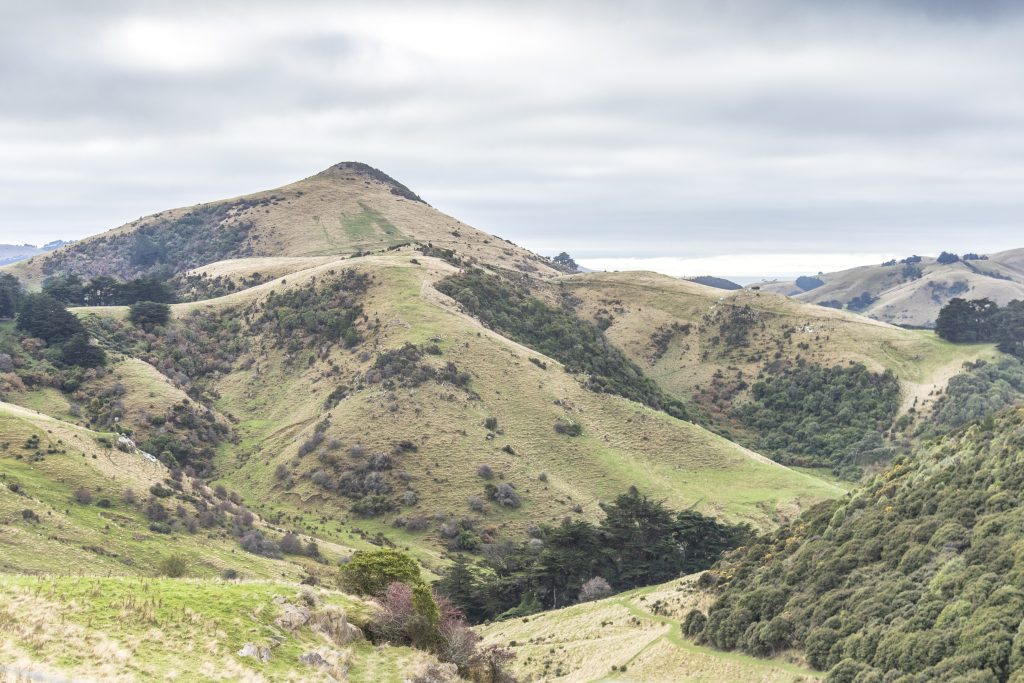
Many of the stone walls still there are boundary walls built along the first grid-like survey lines. Settlers had to clear Totara-dominated bush from the land and with much of the titles too steep and too small for cropping and sheep, they found dairying the most profitable.
It was on the peninsula the first New Zealand dairy co-operative was founded in 1871 after the local price of butter fell. The Otago Co-operative Cheese Company was made up of eight farmers with Ayrshire cows and made traditional Scottish Dunlop cheese.
About the same time, William Larnach built his castle near Harbour Cone on Camp Estate. By the time he committed suicide in Parliament in 1898, he’d bought up many of Harbour Cone’s small farms and consolidated them into his holding of more than 400 hectares. After his death, the land remained as one economic unit farming sheep.
It was bought a second time from Māori by the Crown, this time in the form of the Dunedin City Council, when it was put up for sale in 2007. Pressure from ratepayers led to the city council buying 328ha for $2.6 million the following year to preserve its biodiversity, geographic and heritage values.
It’s now managed by the Hereweka Harbour Cone Trust for the benefit of the community under a memorandum of understanding with the city council.