Conscious Valley wins Outstanding Food Producer Awards
In a quiet valley, just 20 minutes from downtown Wellington, farmer Hamish Best is marrying his passion for farming with his marketing which he hopes will become the red meat of choice for discerning Wellingtonians. Words Rebecca Greaves.

Having his own branded product was always in the back of Hamish Best’s mind and when he came home to the family farm in Ohariu Valley two years ago, the time was right.
His grand plan is that all prime meat being produced in the valley will one day be sold into Wellington, not exported, and that Wellingtonians will recognise the quality product on their doorstep.
“They would have buy-in to Conscious Valley as their local brand of red meat, and if they have visitors, they would put Conscious Valley meat on the table as a showpiece,” he says.
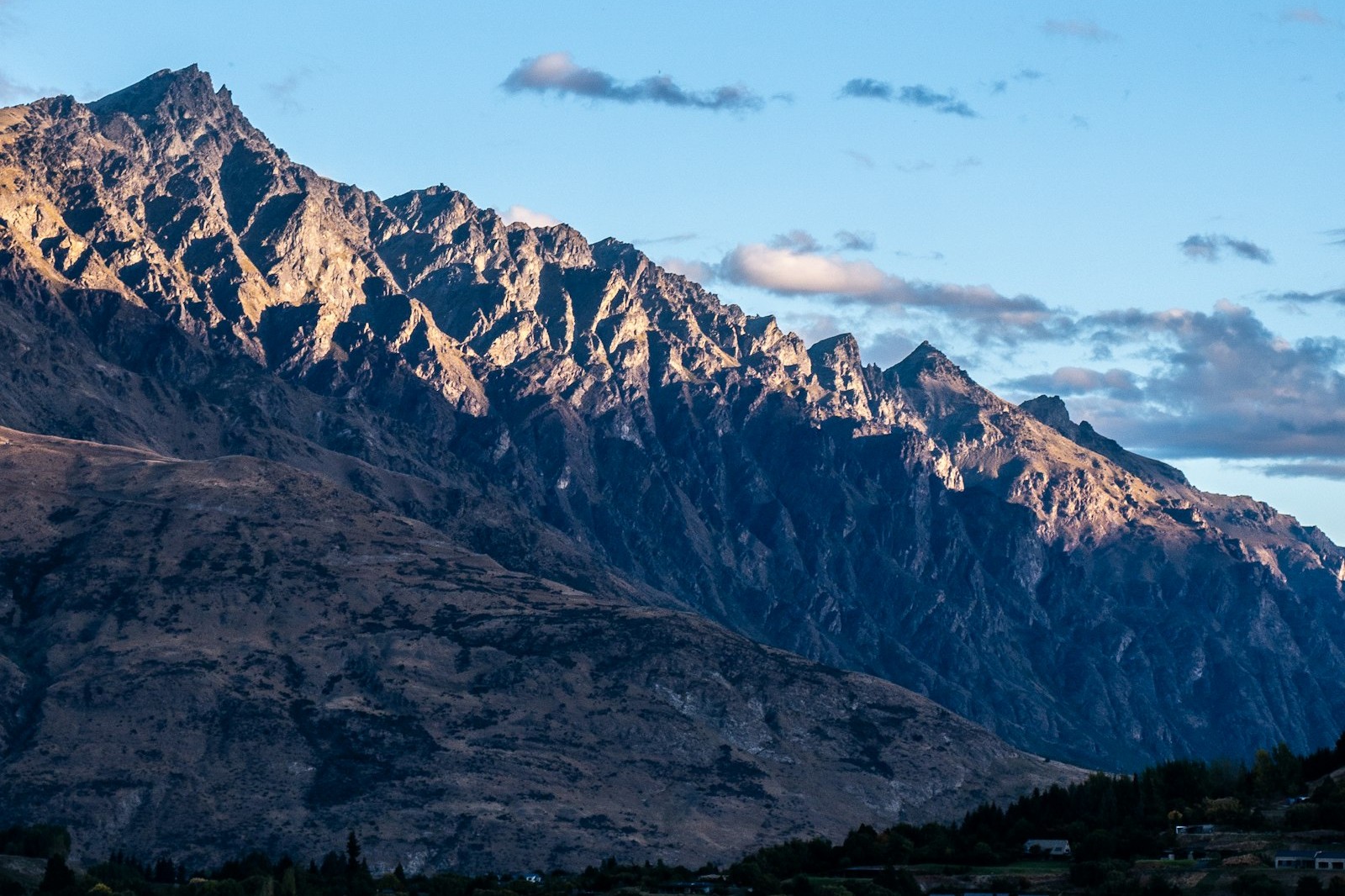
The Bests’ farm is named Huiawa, which means ‘meeting of two rivers’, and it delivers wild west coast scenery in spades. They say you can’t beat Wellington on a good day, and the rugged windswept hills and sweeping views of the ocean provide social media-worthy fodder. Huiawa is also home to wind turbines and is part of the Capital Kiwi Project, which aims to restore a large-scale kiwi population to Wellington’s backyard.
However, Hamish also jokes about the ‘Wellington facial’, which is the refreshing experience you get on the tops of the hills on days when it’s a screaming gale with horizontal rain.
Hamish grew up at Huiawa, attending Massey University and then moving to Hawke’s Bay for seven years, followed by a four-year stint in Melbourne, interspersed with overseas travel. His background is in agronomy, working for Agricom and PGG Wrightson before taking up an opportunity to become a product development manager for DLF Seeds in Australia.
“I love the connection I have with Wellingtonians, and being able to produce a product they’ll start to call their own is my goal.” – Hamish Best, Ohariu Valley, Wellington Region
Coming home was always the plan, but when the job came up in Australia his parents encouraged him to take it, instead leasing the farm out until his return in 2022.
Huiawa is 420ha (320 effective) and he leases a further 50ha block up the road. There’s a bit of scrub and broken country out the back, and some land that’s very steep and not able to be grazed.
 Hamish runs a flock of 1,600 Romtex maternal ewes, plus replacements, putting a Suftex terminal ram over the B flock. Hogget mating is flexible, depending on the season.
Hamish’s big project is getting 40ha of lucerne in, which would be a significant change for the farming system, allowing him to put twin-bearing ewes on it or perhaps lamb hoggets on the lucerne.
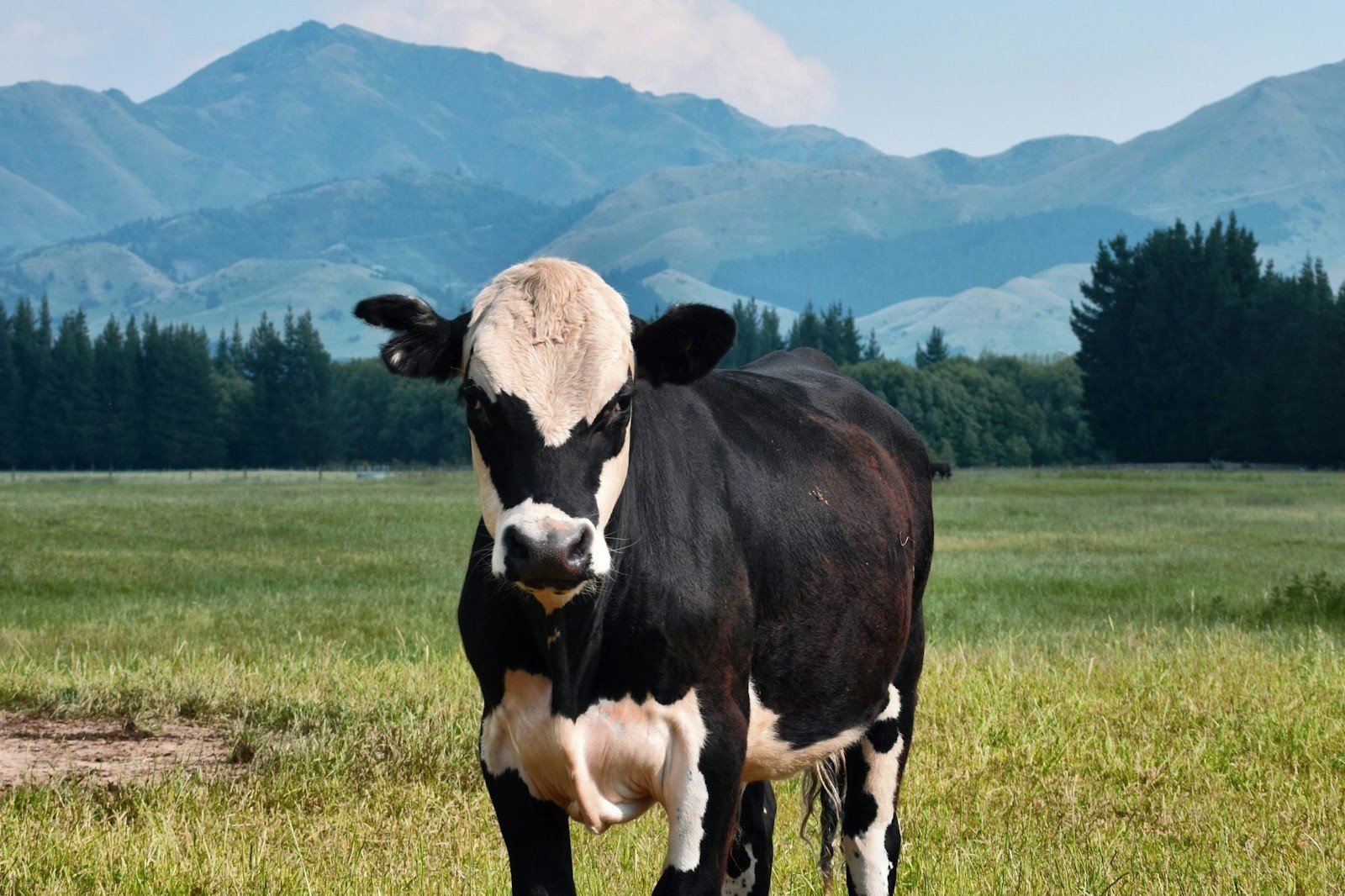
They also run 50 breeding cows and keep all offspring to fatten for the Conscious Valley brand.
The focus is selection pressure on carcase yield and eating quality. “That’s why we moved to a Romtex, they’re compact and easy to finish,” says Hamish. “I’ll be looking at eating quality rather than growth with my terminal sires going forward, that’s how we want to differentiate ourselves.”
Having proximity to both a local meat processor and a large population base meant the stars aligned logistically for Conscious Valley. It’s just eight kilometres as the crow flies (or perhaps more appropriately, the kākā, which is prolific here) to the nation’s capital city.
“Being this close to Wellington is a point of difference – we are their closest source of red meat.” – Hamish Best, Ohariu Valley, Wellington Region
“I had the idea bubbling away in my mind when I was living in Melbourne, thinking about how we could add value to the carcase. It’s hard to expand your land holding down here, so if we can’t farm more sheep, how can we make more money from what we have?”
With Hamish’s background in sales and marketing, Conscious Valley seemed the perfect way to put that experience into practice on the farm. Having his own brand was something he saw as a personal challenge.
Currently, Hamish and his partner Caroline Flood sell from a trailer at the Sunday market in Wellington.
They also supply six local restaurants weekly. Next steps include trying to break into food emporium Moore Wilson’s, and setting up an online selling platform.
“I love the connection I have with Wellingtonians, and being able to produce a product they’ll start to call their own is my goal,” Hamish explains.
The couple wanted the name to have a connection to their location, hence the ‘valley’ part. The word ‘conscious’ is connected to everything they are trying to achieve on the farm. “Everything we do here is about the animals. It’s our number one priority for them to live a natural, stress-free life and we want to showcase that and tell people in Wellington that story. We don’t overstock the farm, we care for the environment.
“Being this close to Wellington is a point of difference – we are the closest source of red meat. We want people to think about where their meat comes from and make a conscious decision when purchasing, especially as red meat is an expensive luxury.”
The process is for whole beef and lamb carcases to be broken down, which requires a licensed abattoir to kill the animals and a licensed butcher to cut them up. Fortuitously, processor Taylor Preston is 10 minutes down the road and they then use local butchers to toll butcher the animals. Hamish drops the animals off on a Sunday afternoon, they are butchered during the week and dropped off back at the farm on a Friday afternoon. He keeps the meat cold and sells it fresh at the market that weekend.
It’s only one year in, but financially Hamish says it does stack up. His farming business sells the lamb to Conscious Valley, which then pays for the abattoir and butchery, and makes the retail margin. He admits that the schedule price does impact on the economics, though.
“To make it worthwhile at current schedule price, it would have to be triple the value of the carcase to pay for the processing and make Conscious Valley sustainable.”
The biggest challenge has been walking the fine line of supply year-round on a hill-country breeding farm, and the juggle of balancing running a farm and a retail business.
For Hamish, farming is enjoyable and something he wants to do, rather than something he has to do. Going to the market every Sunday to sell their meat is something he looks forward to, rather than a chore.
“It’s social connection for me. We have loyal customers and good banter; it’s fun. Instead of being isolated on the farm, I get out and see people.”
 Outstanding Food Producer Awards
Conscious Valley won two awards at the 2025 Outstanding Food Producer Awards – the New Zealand Food Innovation Network ‘Emerging Business’ Award and the Dish magazine ‘Hero ingredient’ Award which celebrates a versatile, quality ingredient that’s a must-have in every food lover’s kitchen.
Awards judge Claire Aldous said, “The combination of taste and texture of Conscious Valley meat was absolutely spot on – it was rich, tender and juicy with an earthy sweetness we understand is attributed to the sea-salt-swept pastures that the lambs graze on.”