Ataahua Blooms
Staring at Pancake the pony’s paddock with two uninterested children, Kimbolton farmer Gemma McDougall threw in her nursing career to convert the paddock and follow her heart towards her flower farm dream. Words Rebecca Greaves, Photos Sarah Horrocks.

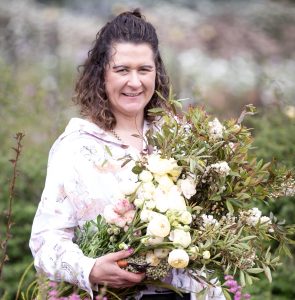
Gemma McDougall has a warm smile and bright pink nail polish on, but if you look closely, you’ll see the dirt underneath her fingernails. And when she puts her hands in the dirt, something magical happens.
Growing cut flowers may sound romantic, but the reality is far from glamorous, Gemma laughs. “I’m usually covered in dirt, down on my hands and knees, not prancing around picking flowers.”
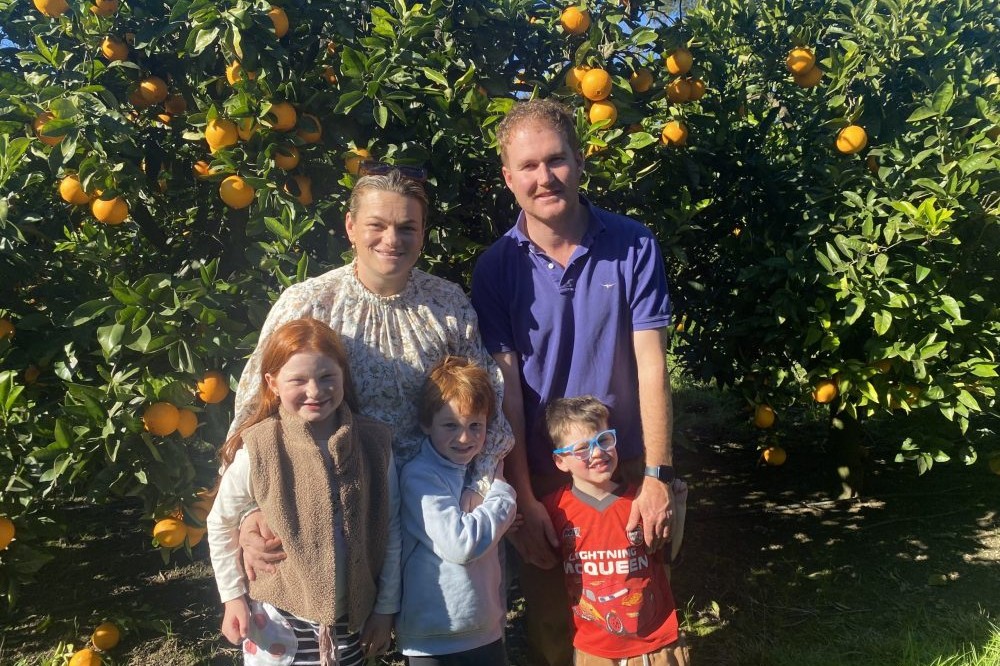
 Gemma, her husband Ben, and their two children Eve, 10 and Hudson, nine, live on the family farm in Kimbolton, Manawatū. Ben grew up on a farm in Marton and when his family purchased the property at Kimbolton, the couple took the opportunity to buy in.
“We farm with Ben’s parents and are 40% shareholders. We bought into their business in 2013 when they sold the farm in Marton and bought this. They were looking for a wintering block but ended up buying a dairy farm instead.”
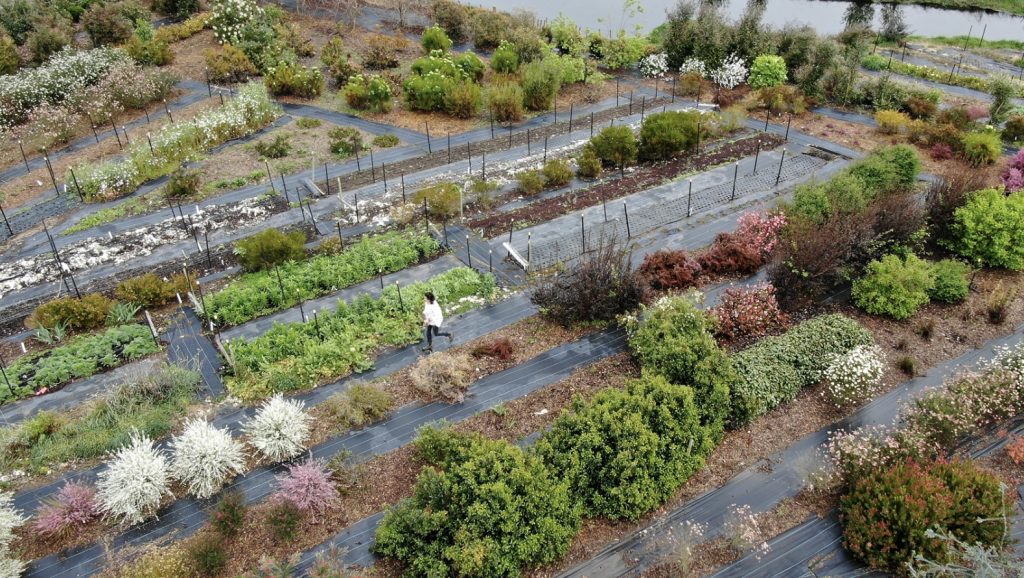
The farm is 800 acres with river terraces, they milk 420 cows on the bottom terrace and the remainder of the property is used for bull finishing and cropping. Flowers occupy 1.5 acres near the house.
It started with the pony paddock – Pancake out, flowers in, and grew from there. “I’m bad, I’m always pushing out fences. If you’re going to do it, do it properly! It was all unproductive land that wasn’t being used by the farm.”
Gemma grew up in Taihape where her parents ran shearing gangs and hay and balage contracting businesses. She loved working in the sheds and could often be found driving a tractor in her university holidays. She trained as a nurse and worked her way up to roles in management and sales.
“I’m an outdoor person. I love the garden because you can see the results. I love how flowers evoke so many different memories and remind you of people when you think of a certain flower. I grow a lot of old-fashioned flowers, like strawflowers and dahlias.” – Gemma McDougall, Ataahua Blooms
“I always loved the home garden from the time I settled down in a relationship with Ben. When I had kids, I knew I needed to do something. I had tried working on the farm, and went back to nursing, but it was too much of a juggle. We considered other things, like growing garlic or other horticultural crops. In the end, I decided to do what I loved and grow flowers.”
The flowers give Gemma the flexibility to work from home, and to work around her children. They also served as a form of therapy. “My mum died and this was part of my healing process. I needed to get my hands in the dirt and whether it was a success or it failed, I knew it would be successful in helping me get through my grief.”
The business name, Ataahua Blooms, is a nod to her beloved mum, and Gemma’s Māori heritage, which came from her mother. Ataahua is the Māori word for beautiful. “It’s a word that fits with flowers and reminds me of my mum; she was a beautiful person.
“It’s funny, because my mum was not a flower person, but she was a hard worker. Flowers are hard work. It’s not the actual flower, it’s the process of getting to the end product that makes me think of her.”
Ben was all in, out there with the rotary hoe and encouraging Gemma to give it a go. For the first few years it was a lot of trial and error, reading books and researching online. Initially, she chose to put 50% of the paddock into perennials, so she wouldn’t need to turn the paddock over so often.
Five years on, she feels a sense of pride in what they have achieved. “Sometimes I feel like a headless chook but I’m glad I did it. It did help me after mum died, it’s provided us with an income and it works around the kids. We can give them so many opportunities in sport and extracurricular-wise that they may not have got if they’d been in after-school care.”
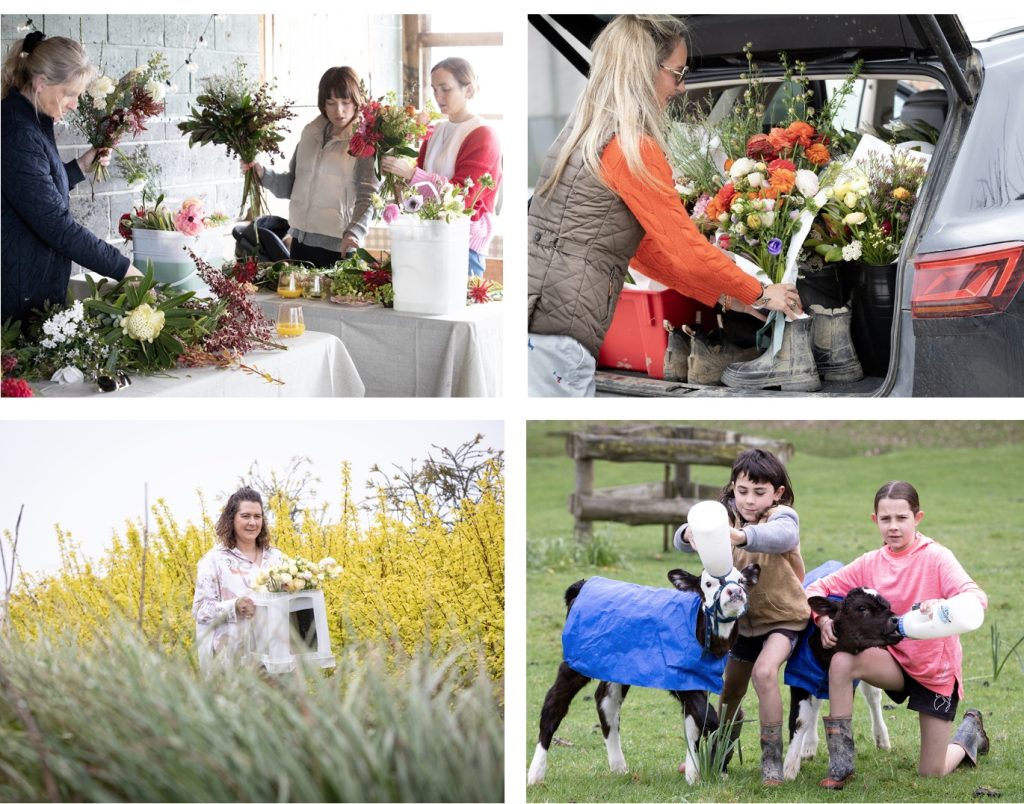
The flowers are profitable, but it’s marginal. What is priceless is the freedom it has given the family when it comes to work-life balance.
A large part of the flower business, 70–80%, involves selling wholesale to florists and event florists. Gemma ships locally and throughout the lower North Island and has two fresh flower stands at local shops, bunches replenished most days. She also sells through her website and runs flower workshops onsite.
Initially, she visited all the florists in the Manawatū to tell them of her plan, and find out if there were certain products they would like, but couldn’t get their hands on, and offered to grow them.
In 2022, she and another flower grower started their own flower market, The Flower Collective Market. At 7am every Thursday morning, in a Scout Hall in Palmerston North, four growers come together to sell wholesale to florists. Later, they open to the public. “There’s been a rise in the DIY florist and we wanted to cater for that market,” she says.
“We have different flowers to the commercial cut flower markets. We have the extra special ones that may be less profitable to grow, but are joyful to have.”
Flowers are fleeting and the biggest challenge is having something on stream constantly when she is selling year-round. At the time of our visit in October, Gemma is already planning for spring. She propagates up to 30% of her own seed and the rest is sourced from a business in Auckland.
When Covid hit, Gemma capitalised on the growing trend of dried flowers, hanging and drying the excess flowers she wasn’t able to sell fresh. Cleverly spotting a gap in the market, she made dried vase arrangements, which “went nuts”. It was then she started the website, selling the arrangements locally (shipping a vase arrangement is tricky).
With no sheep on the farm, Gemma has utilised the disused woolshed, ripping out the yards and catching pens to create the perfect drying room for flowers. It also provides a venue to host her popular flower workshops. Plus, the smell of dried flowers when you step inside is much sweeter than the aroma of sheep poo.
“It was derelict and it’s amazing to have a facility that wasn’t getting used otherwise. You need so much storage space with flowers, even for things like weed matting. I saw an opportunity for people to come and enjoy the experience of picking their own flowers and learn how to arrange them.”
Gemma teaches the workshops herself, sometimes bringing in expert florists. More recently, she’s gone down a creative track, offering a workshop where people make their own pottery vase with a potter, and come back later to fill it with fresh flowers.
Gemma loves the power flowers have to evoke memories for people. Her favourite flower is the Italian Ranunculus. “It looks like a big marshmallow. It’s like the diva of flowers, it takes a long time to grow, but when it’s here it’s so beautiful. It’s the challenge of growing them, and their beauty that I love,” she says.
“I’m an outdoor person. I love the garden because you can see the results. I love how flowers evoke so many different memories and remind you of people when you think of a certain flower. I grow a lot of old-fashioned flowers, like strawflowers and dahlias.
“Flowers represent so many different emotions, you give flowers to celebrate or spread joy, or to bring people together when they are sad. There are many different purposes to a flower, even a simple daisy from the kids, it shows they are thinking of you. Flowers are about giving and I think it makes your day, as well as theirs, to give flowers to someone else.”
An active relaxer with an entrepreneurial bent, Gemma’s mind is always turning over new ideas – truffles perhaps? Boutique accommodation amongst the flower beds? A halal butchery in the disused cow shed? But, she muses, she has enough on her plate, for now anyway.