A life too good not to share
What can New Zealand farmers learn from Academy award-winner Matthew McConaughey? We uncover the perfect fit between the aspirations of higher-value, sustainable tourism and the opportunity for New Zealand farmers to leverage agritourism for diversification of income. Words Sarah Perriam-Lampp.

Imagine you’re a stressed corporate high-flier and all you desire is to head out into the countryside, unplug, unwind and escape from all. You’re nestled by the campfire at your glamping destination and you scan the QR code in the flap of your Homecamp bell tent to begin your curated narration of a campfire story by none other than Matthew McConaughey as you
stargaze. Well, it’s actually an option for Australian glampers.
Beyond his tequila brand and sports media platform, the Hollywood star knows that ‘nature as a service’ is a billion-dollar industry. McConaughey has also collaborated with Unyoked, whose off-grid tiny cabins on rented land in the Aussie wilderness invite guests to shut off from the world while the landowner cashes in on the cortisol-deprived city dweller.
Unyoked is on a mission to help more people access nature more often and are calling for Kiwi landowners to jump onboard the global trend. They currently have six cabins on their website, all within a couple of hours from Auckland, but they are looking for hosts who have properties within 1-3 hours of any major metropolitan area. Ideally the properties would have unique features and points of interest with uninterrupted wilderness views and minimal-to-no road noise. This provides a different business model than the cost of building your own cabin and establishing your own marketing.
“Accommodation for us was a great diversification from farming and a way to use the commercially un-viable farming land on the property.” – Megan McElrea
However, there are many successful examples of New Zealand farmers that have ventured into agritourism boots-and-all to craft their own unique experiences, and thanks to a website, Canopy Camping, the marketing can be easily done for you.
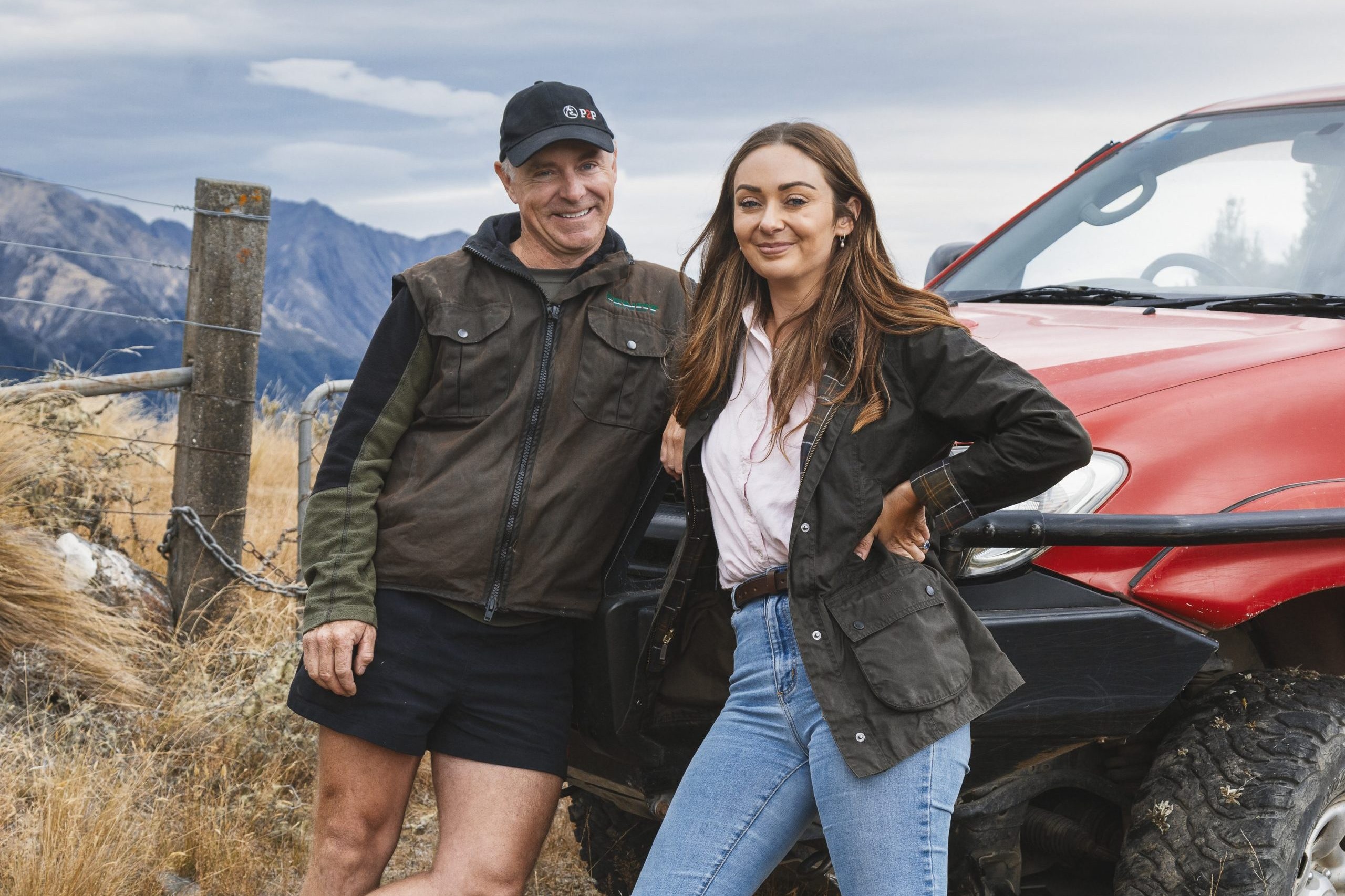
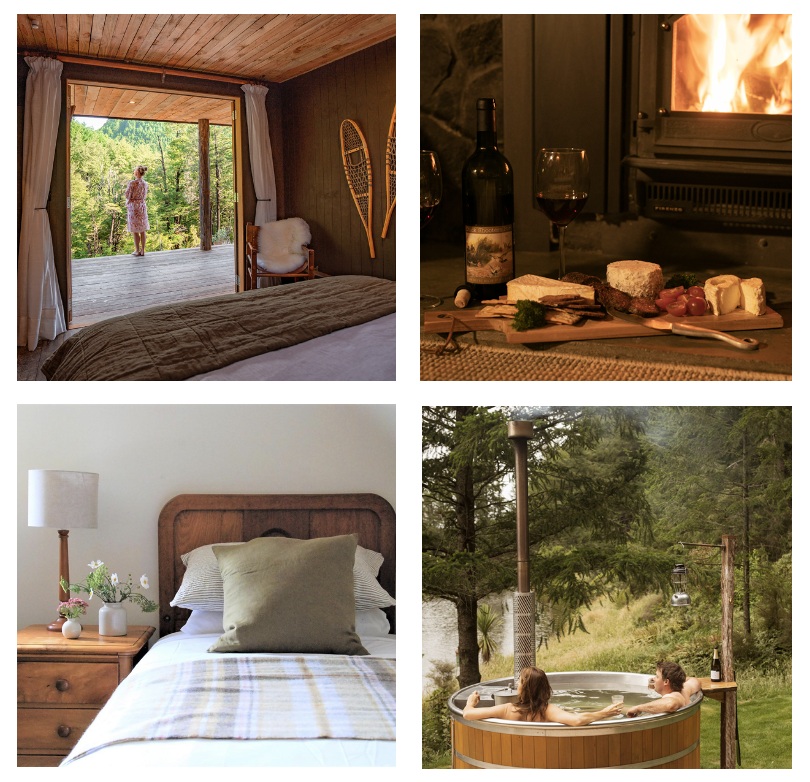
Wanting to escape to nature with their families themselves, Canopy Camping was born as Sonia Minnaar and Liz Henderson curated a collection of special places off the beaten track – from beautiful tents surrounded by nature to quirky cabins with packets of personality. Featuring on the Canopy Camping website are Henry and Megan McElrea’s hidden gems on their Washpen Falls sheep, beef and deer farm near Windwhistle, Canterbury. “We really enjoy showcasing this unique, often undiscovered part of New Zealand, which is isolated yet so close to Christchurch. Our guests can escape, rejuvenate and reconnect with nature off the beaten track among the most incredible backcountry rivers, lakes and mountains,” explains Megan.
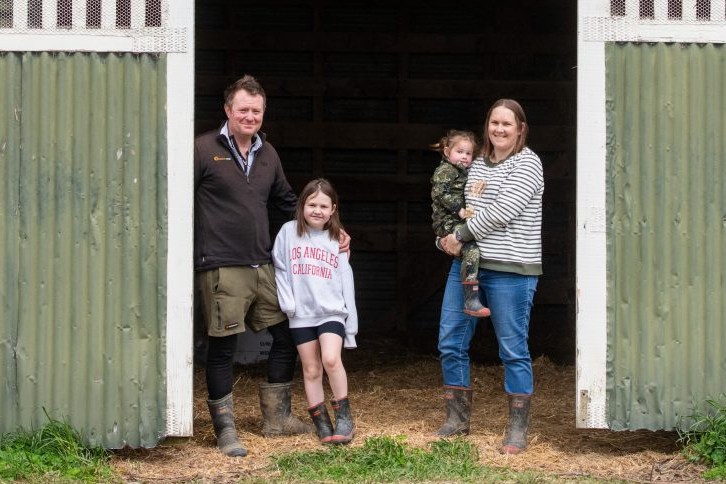
For Banks Peninsula farmers Hamish and Annabel Craw, their 1886 farmhouse nestled in the heart of their sixth-generation sheep and cattle farm allows them to connect their biodiversity story as guests learn about their coastal restoration project at Ridgecliff.
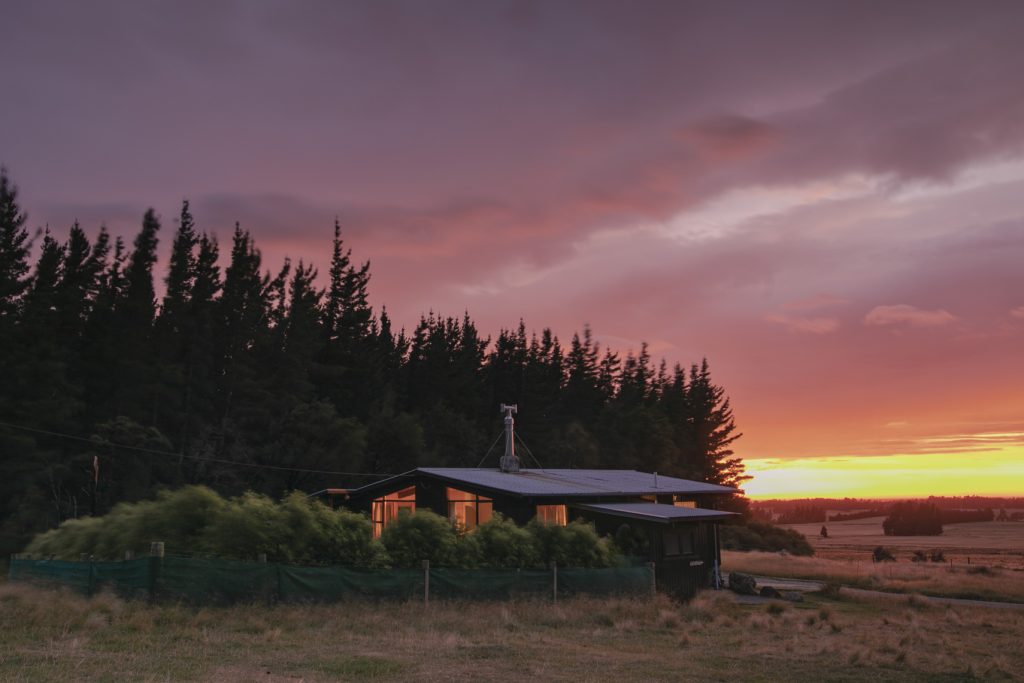
“It’s been very rewarding as it is an aspect of the business that provides us with direct interaction with our customers. Guests have huge admiration for the intergenerational connection our family has to the land. It’s provided us with a platform to share how we are evolving our farming practices to embrace the future and special projects we are working on that resonate with guests such as our native restoration projects,” says Annabel.
Tourism Industry Aotearoa has developed a sustainable growth framework that aims to have every New Zealand tourism business committed to sustainability by 2025. The pre-pandemic direct contribution to GDP from tourism was $16.4 billion (Stats NZ, 2020) – so why not diversify across our two biggest industries?
“Accommodation for us was a great diversification from farming and a way to use the commercially un-viable farming land on the property,” says Megan.
It’s not only an economic lifeline for rural communities that benefit from agritourism but a New Zealand Inc. strategy for our farmers to play a pivotal role in providing brand connection to New Zealand lamb, beef and woollen products produced in an ethical and environmentally sustainable way, as they turn passionate international tourists into long-term ambassadors of New Zealand produce back home.
The World Food Travel Association’s survey showed 83% of travellers agreed that seeing food, beverages or restaurants at home reminded them of trips they had previously taken. ANZ, in conjunction with the Ministry for Primary Industries, released a report in 2018 that explained the way we farm our food and craft our produce is an equally important part of New Zealand’s food and beverage story. The report states: ‘Tourists come to New Zealand for a range of reasons. But the majority come for our natural environment. Yet when they leave, they do so with impressions of the entire New Zealand experience, including food and beverage.’
Just like Matthew McConaughey, Annabel Craw says the power of a successful agritourism business is in your story. “When entering agritourism it is valuable to invest time identifying your unique story, how you wish to position yourself to guests and the experience you want to offer and how you then link this with the resources available on the property.”