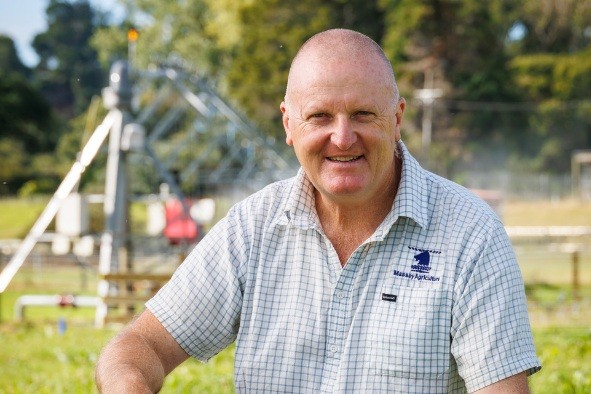


The dry period is not a rest stop, with what happens between dry-off and calving shaping how the whole season begins, says SealesWinslow Nutrition Extension Specialist Simon Butler.
He says that with dry off under way, the temptation to ease off on nutrition management is understandable. Late-stage foetal development, mineral balance challenges and the need to reduce metabolic disease risk all make it one of the highest return on investment windows for supplementation.
“A little bit of focus, a little bit of intervention now is going to really pay dividends going into the new season.”
He says mineral supply is where to start. Fodder beet is consistently low in phosphorus, and winter ryegrasses and brassica crops can throw up deficiencies in selenium, iodine and magnesium.
“Understanding what’s in the composition of the feeds and understanding what our herd is deficient in going into the dry period means we can make informed intervention decisions.”
Butler says using lick blocks or magnesium oxide on feed, to keep serum magnesium levels high, will mobilise calcium and reduce milk fever risk. Trace element supplementation needs to continue through the dry period too, as in-shed feeds and their additives are typically pulled at the end of lactation.
The two main metabolic risks at calving are ketosis and milk fever, he says. Over-conditioned cows that calve down mobilise excess body fat, lose appetite and compound the problem into fatty liver and poor reproductive performance.
“A clinical case of milk fever might mean another 10 subclinical cases of milk fever where the cow doesn’t go down.
“But its reproductive performance is inhibited, its fertility, and it’s not going to make as much milk.”
Managing milk fever risk centres on diet in the lead-up to calving. Feeding low dietary cation-anion difference (DCAD) feeds — hays, magnesium sulfates and chlorides rather than grass — acidifies the cow’s blood and makes it easier to mobilise calcium stores at the point of highest demand, Butler says.
Post-calving, he says success means high dry matter intakes early, and consistent lime and magnesium supplementation for colostrum cows.
“We want to see those cows spending as little time as possible in a negative energy balance post-calving.
“All cows will encounter a negative energy balance post-calving, but we want to switch that back into a positive energy balance as soon as possible, because that’s what’s going to drive that peak milk production and reproductive success.”
Every farm has its own set of needs, so for a bespoke plan for your farm get in touch with your local SealesWinslow Nutrition Specialist.
Get in touch with your local SealesWinslow Nutrition Specialist for tailored on farm support. sealeswinslow.co.nz
CountryWide CONNECT with Andy Thompson & Sarah Perriam-Lampp is our daily rural show livestreamed from 11am-1pm. Visit country-wide.co.nz on how to watch/listen or download the CountryWide CONNECT mobile app, available on Apple iOS and Android.