
Environment Southland is moving to protect 520 kilometres of flood banks across Southland, requiring landowners to get approval before grazing stock on them over winter.
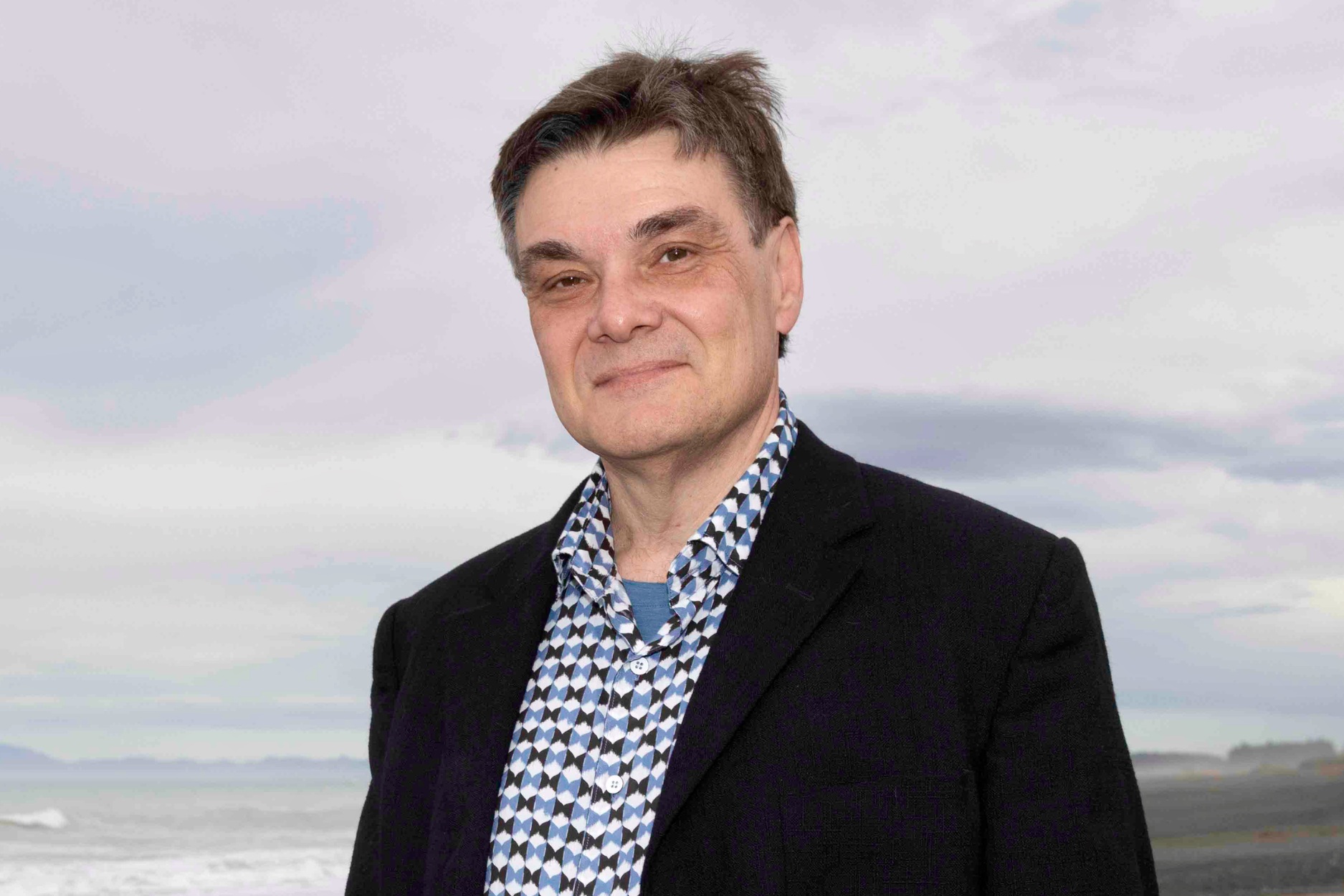
The banks sit on private land but are council infrastructure, says Jeremy McPhail, chair of Environment Southland. Most landowners are cooperative, he says, but cases of inappropriate grazing on the banks have prompted the new requirement. Cattle have been wintered on the banks in some cases, McPhail says.
“It’s actually just understanding what they’re doing.
“Strategic grazing, if it’s done right, they can be looked after a lot better and a lot of people do look after them too, but it’s just for some that may not look after them quite as well.”
The approval is not a resource consent and will cost landowners nothing, McPhail says. The council’s concern is the structural integrity of banks it is spending significantly to maintain.
“Some may need it to be pointed out to them that that’s not quite how to look after things.
The flood bank rules sit alongside a larger question facing the council: what happens to Environment Southland if local government reform reshapes the region. Territorial authorities have until 9 August 2026 to submit structural proposals under a 90-day head-start process. McPhail says the regional council is fully engaged with those discussions.
“The reality is we’re the only council that does what we do, so it’s going to be hugely important to make sure our functions transition into wherever if there’s a transition, if there’s a unitary authority or wherever it goes, that those functions can still be implemented.”
Southland’s existing Local Government Commission process means community discussion is further advanced than in most regions, McPhail says. Rural representation in any merged structure is a concern, he says.
“I believe Southland is in a pretty good position to not have to worry about that.
“We’re very connected to the city, the city relies on the rural economy and vice versa.”
McPhail says some staff have left because of uncertainty, but he expects operational roles to continue into whatever structure emerges.
“The governance and top management, if there is restructuring efficiencies, that’s where it’s going to be, but to be honest, the staff on the ground generally, that’ll probably be business as usual at this stage.”
CountryWide CONNECT with Andy Thompson & Sarah Perriam-Lampp is our daily rural show livestreamed from 11am-1pm. Visit country-wide.co.nz on how to watch/listen or download the CountryWide CONNECT mobile app, available on Apple iOS and Android.