Tairāwhiti farmers want agriculture policy that outlasts three-year cycles
Farmers are making good money on lamb and beef, but Tairāwhiti Whenua CEO Hilton Collier says policy that flips every three years makes long-term investment hard.
 |October 28, 2026
Listen to the full interview:
This interview was brought to you in partnership with Tairāwhiti Whenua Charitable Trust.
Tairāwhiti farmers want the freedom to operate, and policy settings that hold steady beyond a three-year electoral cycle.
Tairāwhiti Whenua CEO Hilton Collier says election talk keeps returning to the ETS and regulation, when farmers want to get on with farming.
“We want to be able to predict our production. We want to have very good prices and good export markets, and we want to make good profit margins. And I don’t think that’s a particularly demanding wishlist,” he says.
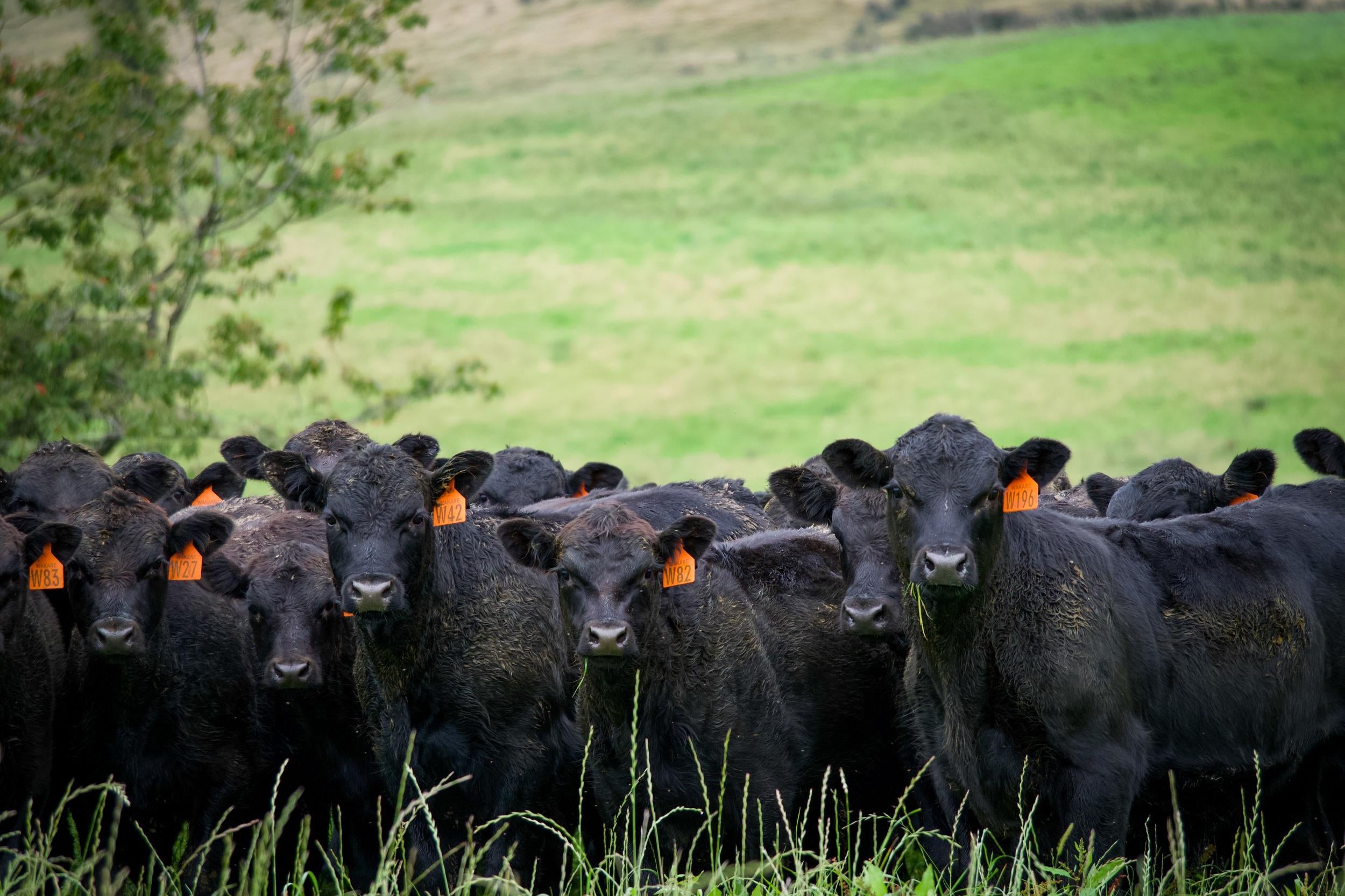
He says lamb and beef selling at about $10/kg have farmers in a good position after a tough 2024 financial year.
“I think we need to find ways to lock in these current profit margins beyond just the latest commodity cycle.”
Collier says most farmers want to look after their own businesses and the wider region, and he trusts them to understand that responsibility.
“I’ve yet to come across a farmer who deliberately goes out of his way to destroy his piece of paradise.”
The Māori-owned land Tairāwhiti Whenua represents cannot be sold, so the trust keeps evaluating a mix of land uses across store and finishing red meat, forestry, horticulture and some cropping.
He says the ETS is unpopular with farmers, but the trust is considering it as a way to fund the reversion of steep country unsuitable for farming or forestry.
“It’s not our place to question the wisdom of the policy. We just see an opportunity.”
Collier says the ETS, or another mechanism, could also help reduce sediment entering waterways, if the market is given time to adapt.
He says government investment is going into rebuilding damaged infrastructure where previous efforts have failed, and needs to shift towards adaptation for the next adverse climatic event.
“There is no doubt we need more water storage… The reality is we are a food production nation.”
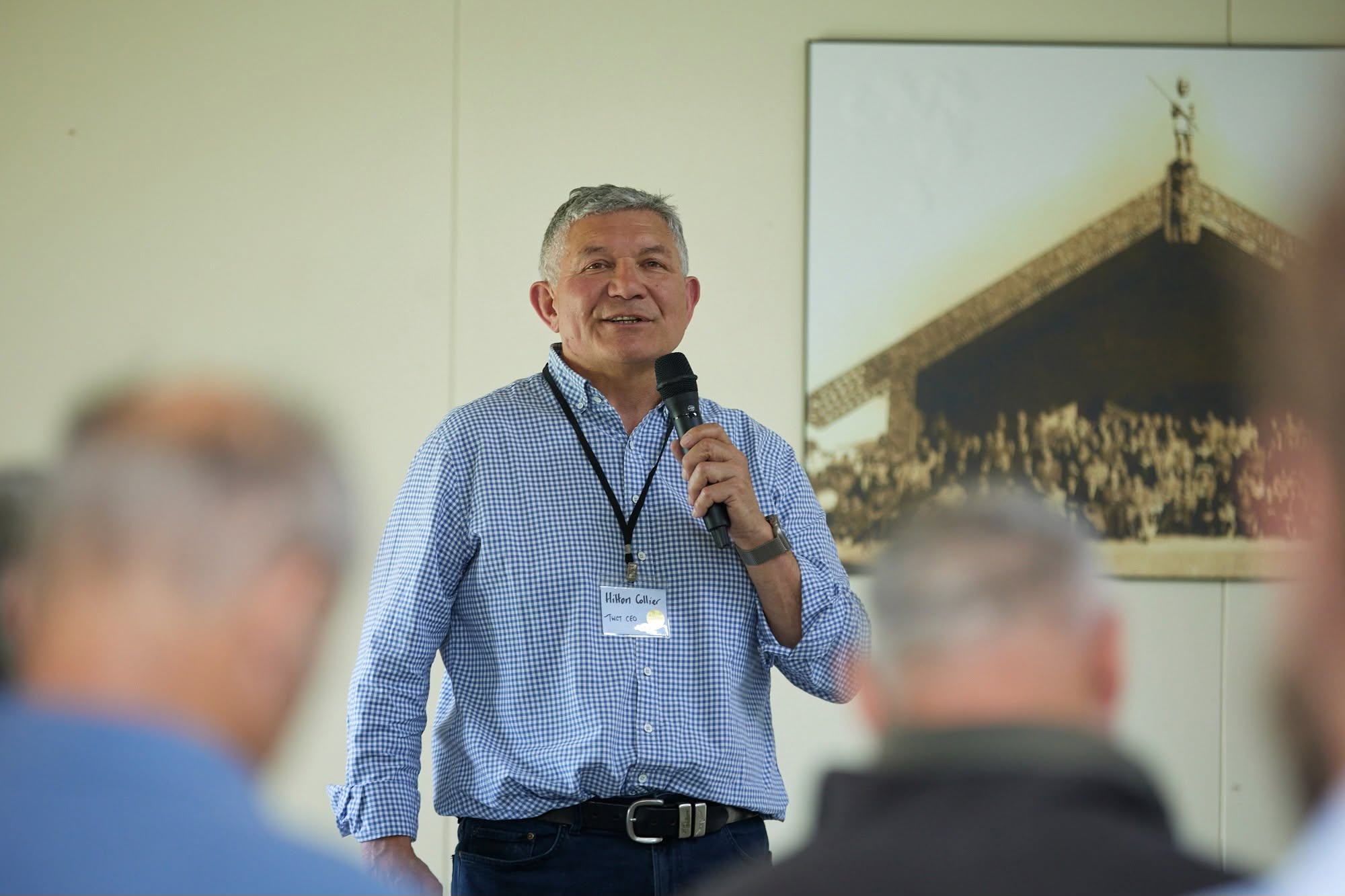
Collier says the new resource management bills ease regulatory demands and some of the changes are positive, but they are not much different from the bills of three years ago.
“It’s this to-ing and fro-ing where we go from one extreme to the other. That’s becoming problematic for us.”
He says the trust has spent three years building farm-scale digital maps covering more than 196,000ha. It is combining that data with knowledge from foresters who worked before mechanisation, and wants that kind of on-the-ground experience shared with decision-makers.
“I think a lot of policy development has become about the process rather than the outcome and the result.”
This interview was brought to you by Tairāwhiti Whenua Charitable Trust. To learn more about the work of Tairāwhiti Whenua, connect with the team or follow their latest updates at tairawhitiwhenua.co.nz.
CountryWide CONNECT with Andy Thompson & Sarah Perriam-Lampp is our daily rural show livestreamed from 11am-1pm. Visit country-wide.co.nz on how to watch/listen or download the CountryWide CONNECT mobile app, available on Apple iOS and Android.