

Arable
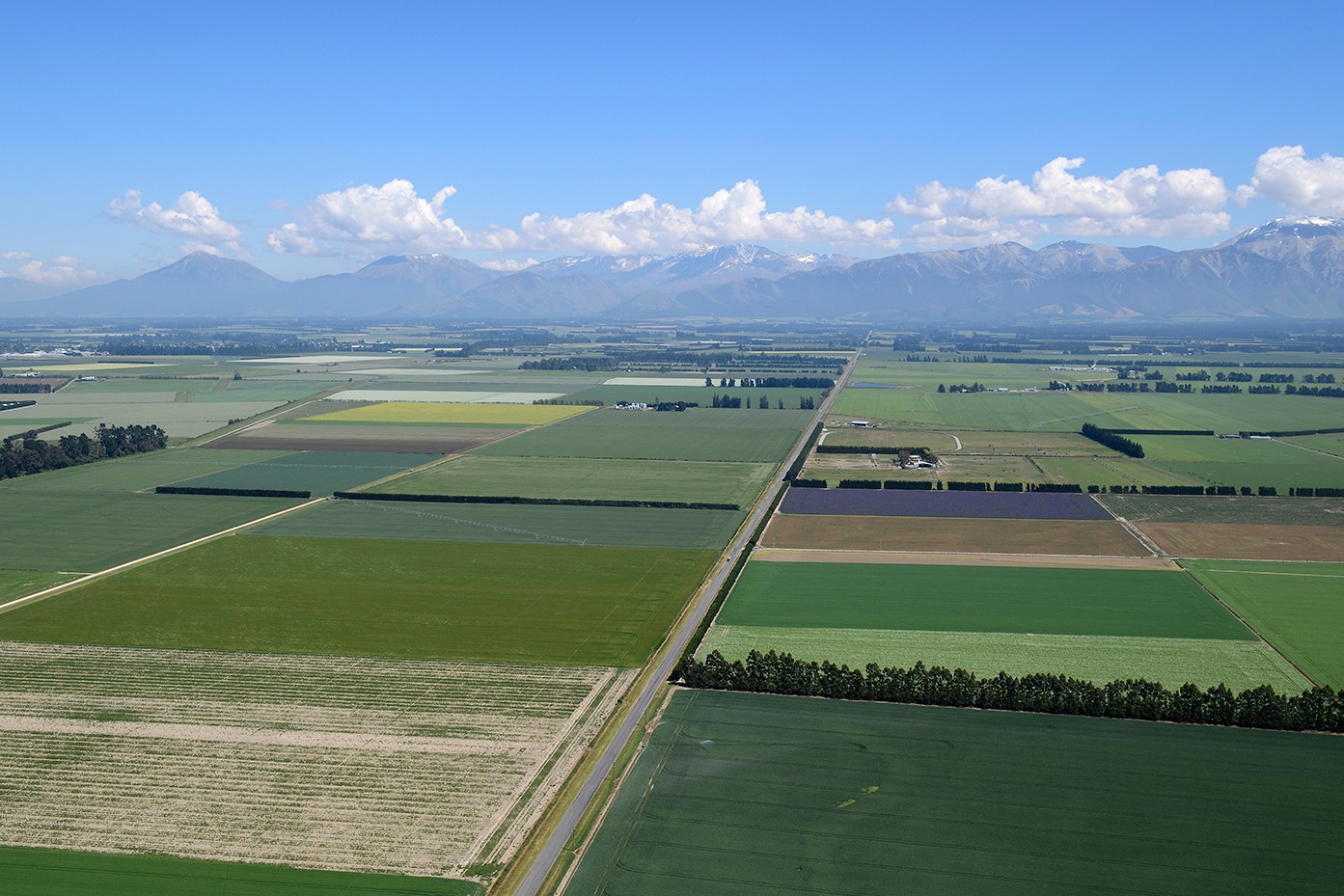
Grain sector pushes for stronger recognition in government policy
The sector is calling for stronger recognition of its $340 million export role in government policy.
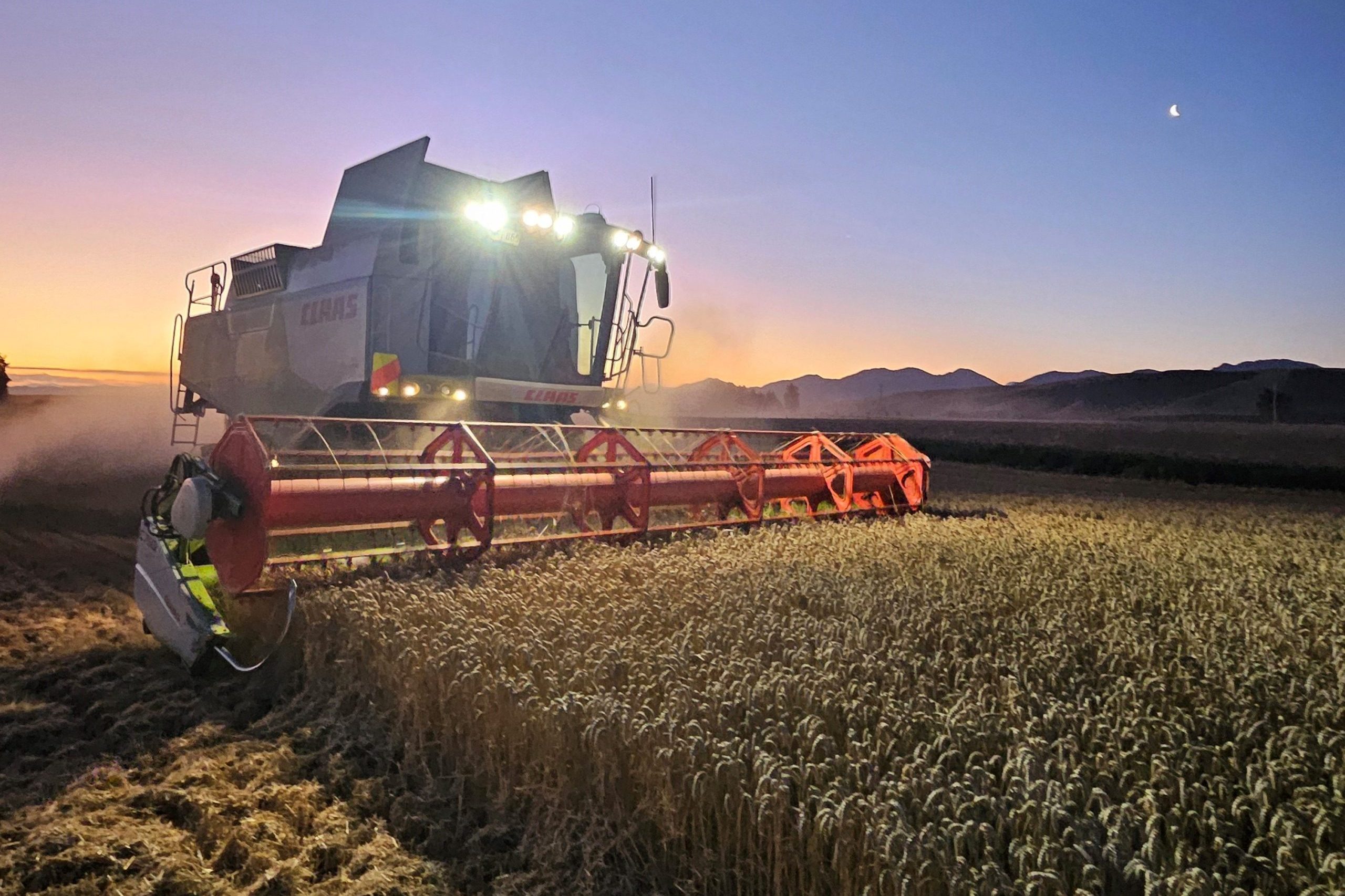
Arable farming family tilts more to livestock
Like many mixed arable farmers, tight cropping margins have led the Worsfold family of Central Canterbury to increase the livestock component of their farming operation.Words Heather Chalmers.

Canterbury’s Sean Mulligan named Agronomist of the Year for 2026
Mulligan grew up on a cropping farm and studied a BCom Ag at Lincoln University before a family connection drew him into agronomy.

New cultivar traits add flexibility heading into a dry spring
Seed variety selection, backed by the right endophyte and seed treatment, does more to protect a pasture's productivity and persistence.
Feedback sought on risk-based approach to treated seed
The standard follows a 2022 report identifying a data gap on imported treated seed, after two years of stakeholder work with the EPA.

What’s front of mind for NZ Plant Protection Society?
New funding for control efforts are gaining ground for wilding conifers that already cover two million ha and threaten another 7.5 million.

Seed and Grain NZ manifesto seeks more support for arable
Seed and Grain New Zealand has released a manifesto calling for greater government support to safeguard the arable sector.
Hawke’s Bay growers withdraw bid for Hastings McCain plant
Hawke's Bay vegetable growers have withdrawn their bid to buy the McCain factory in Hastings, but a feasibility study into a smaller site continues.
When to spray lucerne to protect the first spring cut
Technical Specialist Agronomy at PGG Wrightson Pete McKnight says lucerne should be sprayed before spring regrowth reduces the first cut.
Pesticide resistance could cost growers $1.2 billion
A new campaign to tackle pesticide resistance launches this month, as an NZIER report warns failing to manage it could cost growers $1.2 billion.